BSc Pharmacology
About this course
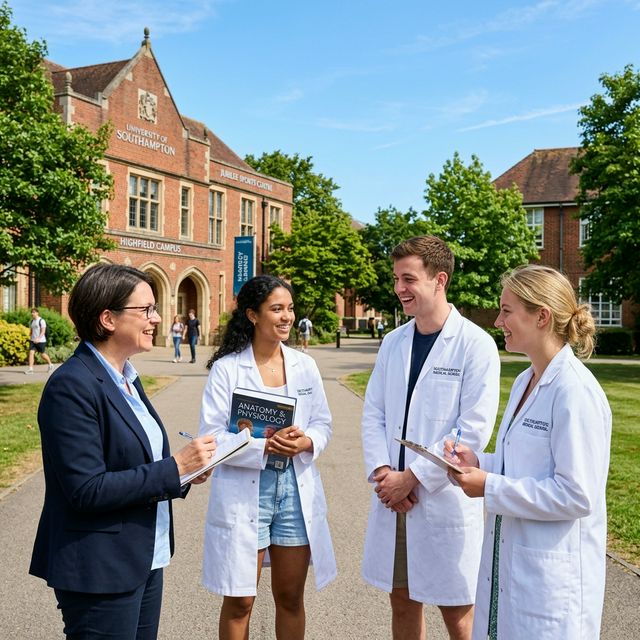
Pharmacology is the science of how drugs interact with living systems, from the molecular mechanisms by which a compound binds to a receptor to the clinical implications of those interactions for treating disease. It sits at the heart of medicine and biotechnology, providing the scientific foundation for the development of new treatments for conditions ranging from bacterial infection and cancer to cardiovascular disease and mental health disorders. At the University of Southampton, this three-year full-time BSc in Pharmacology is taught within a department that is actively engaged in research across these areas, giving you exposure to science at the frontier of drug development. You will study the principles of pharmacokinetics, describing how the body handles drugs through absorption, distribution, metabolism, and excretion, and pharmacodynamics, describing how drugs produce their effects at the cellular and molecular level. The major therapeutic areas receive systematic attention, including the pharmacology of the nervous system, the cardiovascular system, the immune system, and oncology. Laboratory work is central throughout, developing your practical skills and your ability to design experiments, collect and analyse data, and present findings. A sandwich year provides the opportunity for an extended placement in an industrial or research setting, which many students find transformative in terms of professional development and career direction. Work placement opportunities are integrated more broadly throughout the programme. The typical entry tariff is 152 UCAS points. Pharmacology graduates are well placed for careers in pharmaceutical and biotechnology companies, clinical research, regulatory affairs, and academic research. The scientific rigour and laboratory skills the degree develops are also valuable in science communication, healthcare, and public health. Many graduates continue to postgraduate study or research, and Southampton's strong connections with the pharmaceutical industry support those who wish to enter drug development careers directly after graduation.
Syllabus & Modules
Typical curriculumStudent Satisfaction
National Student Survey - 10 respondents (69% response rate)
Similarly Ranked Alternatives




What comes next? 🎓
Choosing the right university starts with choosing the right school. Explore transparent, data-driven school profiles powered by official DfE statistics.
Explore Schools on WhatSchool.ai →