BA Photography
About this course
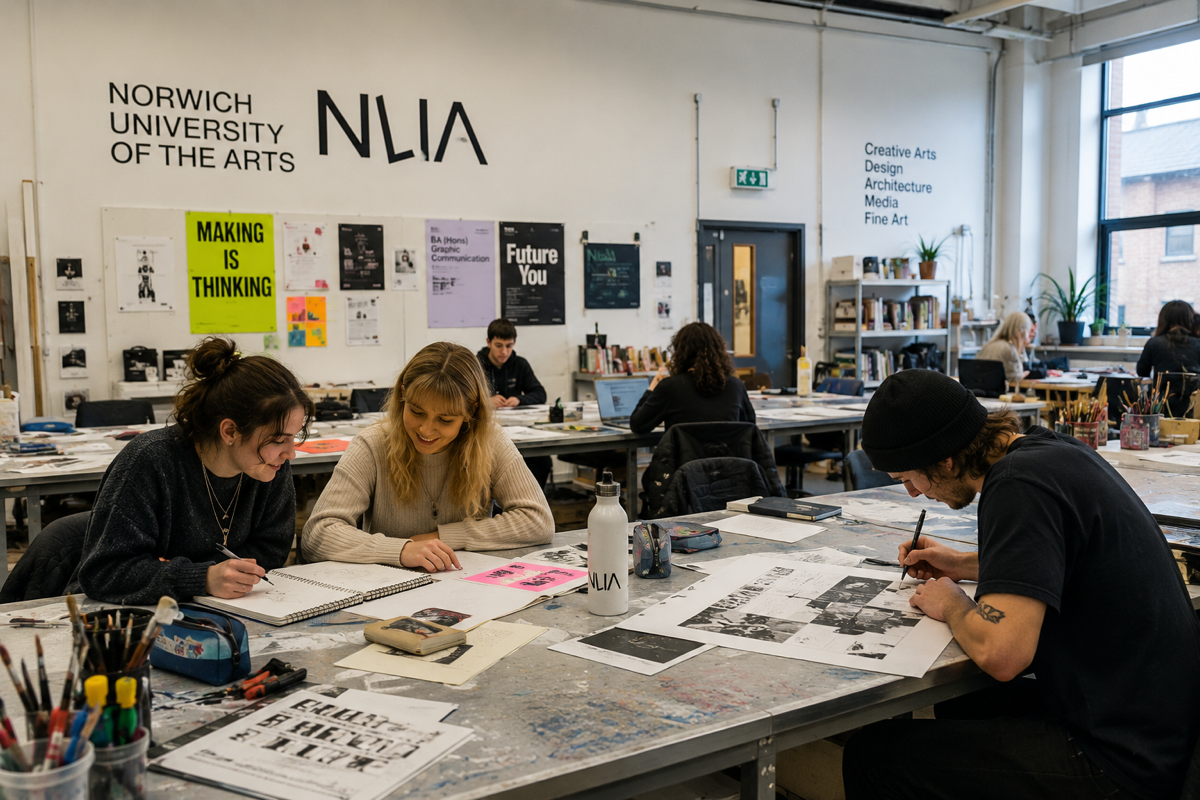
Photography as a degree subject is far more than technical instruction in how to operate a camera. It is the study and practice of the photographic image as a form of visual thinking, cultural production and artistic expression, engaging with the full history of photography from its invention in the nineteenth century to its present incarnation as an omnipresent digital medium. Studying photography at degree level involves developing your own creative practice through sustained project work, learning to see and think photographically, engaging critically with the history and theory of the medium, and understanding how photographs function in the world, whether as art, journalism, documentary, advertising or personal record. Norwich University of the Arts offers this four-year full-time programme within a specialist arts university that has a strong culture of creative practice, critical reflection and professional development. The extended four-year duration provides additional time for creative development, allowing you to build a more substantial and confident body of work before graduating. The typical entry tariff is around 120 UCAS points. You will develop technical skills across analogue and digital photography, including camera operation, lighting, darkroom processes, digital editing and post-production, alongside the conceptual and critical thinking that underpins strong photographic practice. The history and theory of photography, including its relationship to visual culture, representation, identity and documentary ethics, will provide a critical context for your own work. Studio projects, self-directed work and critical studies will all form part of the programme. Graduates of photography degrees work as editorial, commercial and fine art photographers, photo editors, picture researchers, art directors, photography educators, curators and critics. The portfolio-based nature of the discipline means that many graduates build freelance careers across different photographic contexts, from magazine editorial and commercial advertising to documentary work, gallery exhibitions and community projects. The creative and visual communication skills developed through the degree are also valued in related roles in design, art direction, digital media and visual content creation. Postgraduate study in photography, photographic theory, documentary practice or fine art is available for those who wish to develop a research or specialist creative focus.
Syllabus & Modules
Typical curriculumStudent Satisfaction
National Student Survey - 40 respondents (83% response rate)
Similarly Ranked Alternatives



What comes next? 🎓
Choosing the right university starts with choosing the right school. Explore transparent, data-driven school profiles powered by official DfE statistics.
Explore Schools on WhatSchool.ai →