High Drop-out Rate Alert
20% of students drop out or transfer from this specific course. Consider asking why on an open day.
BA Photojournalism and Documentary Photography
About this course
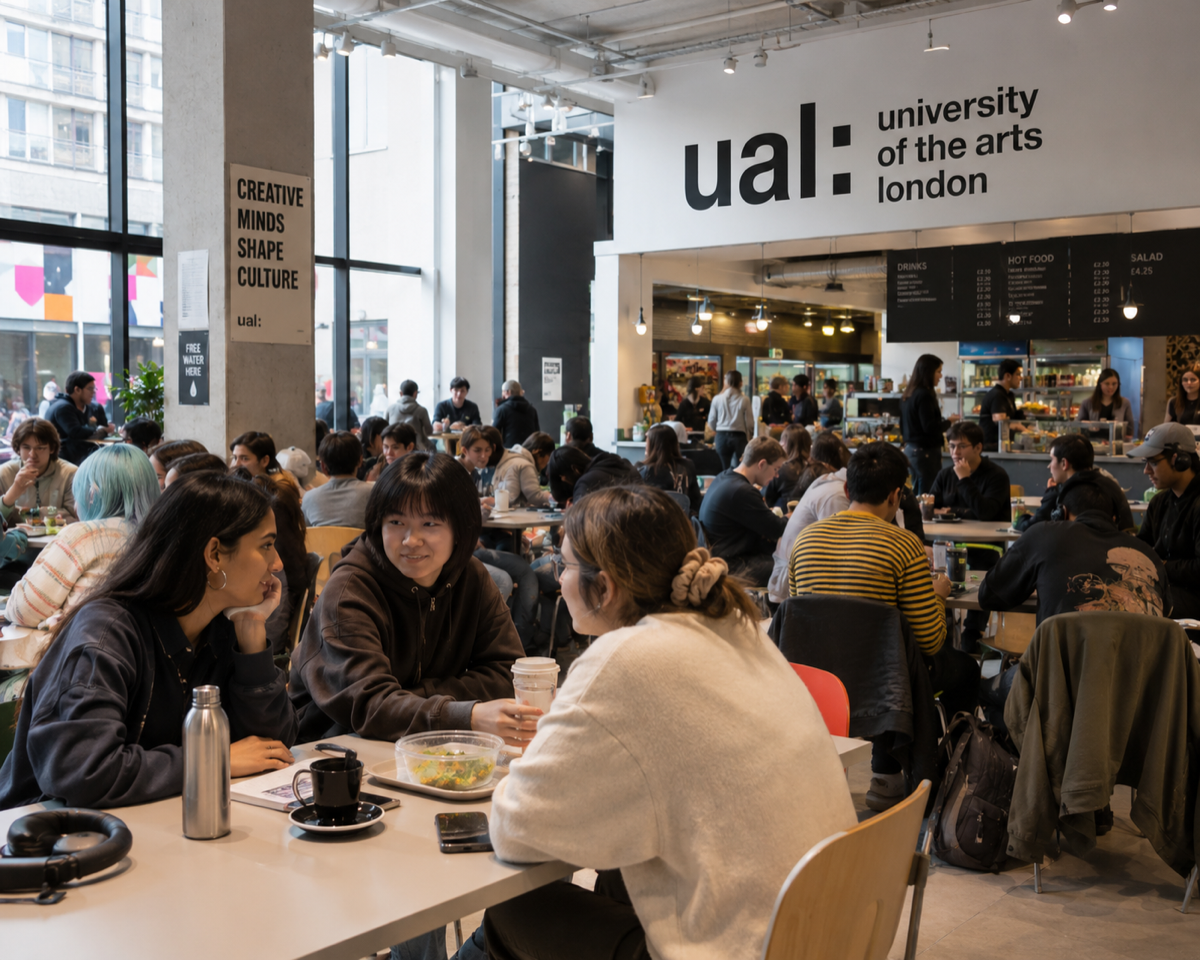
Photojournalism and documentary photography sit at the intersection of journalism, visual art and social conscience. Where other disciplines interpret the world in words, these practices do so through the camera, asking photographers to observe honestly, frame deliberately and communicate stories that might otherwise go unseen. At its best, documentary image-making changes public understanding and creates a lasting historical record of events, communities and lives. Studying this field at one of the world's leading arts institutions means you are working within a tradition stretching from early press photography to contemporary long-form visual journalism across digital platforms. You will develop a rigorous technical foundation in photographic practice, including lighting, composition and digital post-production, alongside a critical understanding of the ethical and editorial choices that shape documentary work. You will explore the history of photojournalism, from the pioneering picture magazines of the twentieth century to the evolving landscape of online and social media publication. Seminars and critique sessions will train you to interrogate your own images and those of others, asking not just what a photograph shows but what it says, who it serves and what it omits. Research methods, narrative construction and the relationship between caption and image are all woven into your learning. Over three full-time years you will build a substantial personal portfolio that reflects your developing voice as a documentary maker. Graduates from this kind of programme enter careers in press photography, documentary filmmaking, editorial and commercial photography, photo editing, picture research and multimedia journalism. Many work as freelance photographers contributing to national and international newspapers, magazines and NGOs, while others move into roles at cultural institutions, archives and charities. Some continue into postgraduate study in photography, journalism or the visual arts, developing specialist expertise or pursuing an academic path. The skills you gain, including visual literacy, storytelling, deadline management and ethical reasoning, are transferable across a wide range of communication and media roles.
Syllabus & Modules
Typical curriculumStudent Satisfaction
National Student Survey - 155 respondents (78% response rate)
Similarly Ranked Alternatives
What comes next? 🎓
Choosing the right university starts with choosing the right school. Explore transparent, data-driven school profiles powered by official DfE statistics.
Explore Schools on WhatSchool.ai →