High Drop-out Rate Alert
20% of students drop out or transfer from this specific course. Consider asking why on an open day.
BA Politics, Philosophy and Economics
About this course
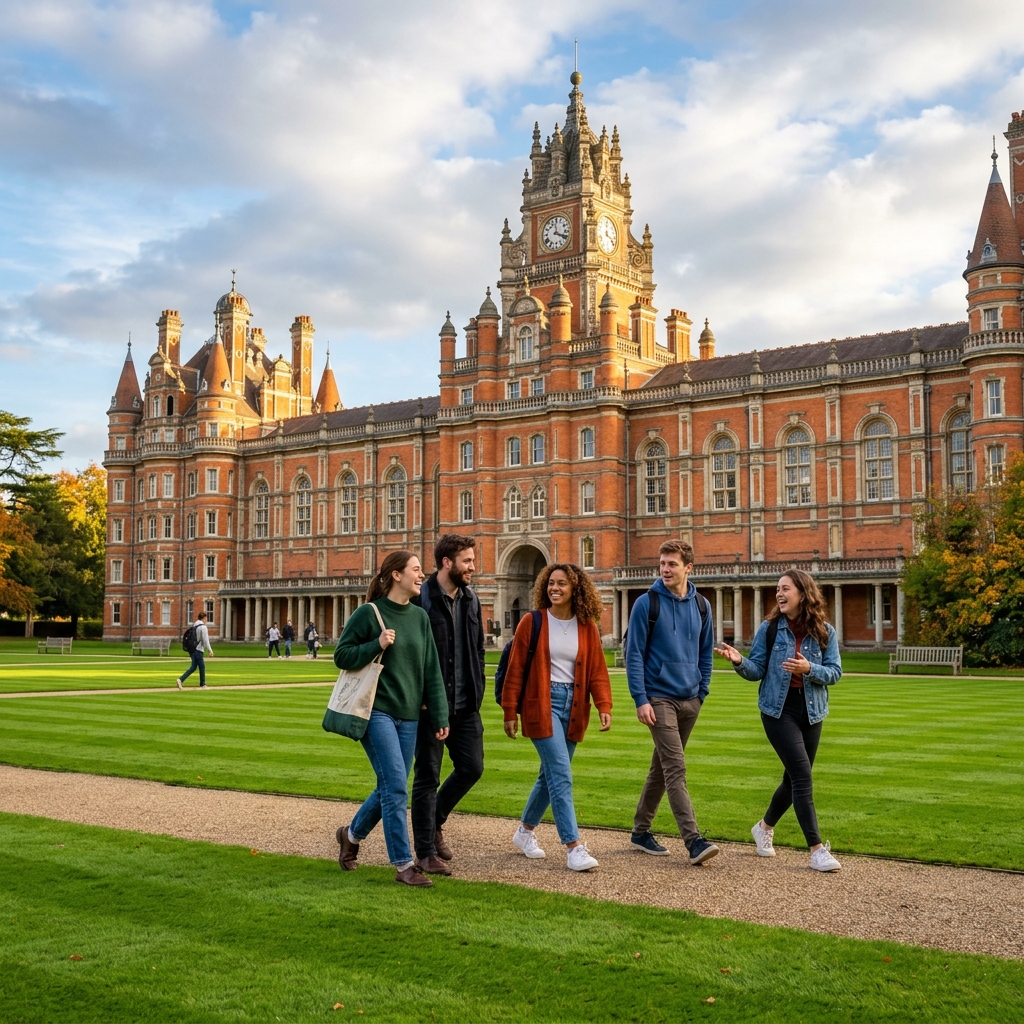
Politics, philosophy, and economics, widely known as PPE, is one of the most intellectually versatile combinations in higher education. Politics asks how societies organise power and make collective decisions, and how political institutions can be designed, reformed, or criticised. Philosophy examines the foundations of knowledge, ethics, and reasoning itself, providing a toolkit for arguing rigorously about fundamental questions. Economics analyses how individuals, firms, and governments make decisions under scarcity and what the consequences of those decisions are for markets, welfare, and inequality. Together, the three disciplines offer a comprehensive framework for understanding social reality and a set of analytical skills that are genuinely transferable across professional life. At Roehampton University, this three-year programme includes a foundation year and a sandwich year with work placement. The foundation year provides a thorough introduction to the three disciplines and to university-level study before the main degree begins, making the programme accessible to students who have not studied philosophy or economics formally before. The placement year gives you the opportunity to work within an organisation where PPE skills are applied, whether in politics and public affairs, economics and policy analysis, or a range of other contexts, developing professional experience alongside academic knowledge. Roehampton's campus setting in south-west London gives the university a distinctive character within reach of the capital's political, economic, and cultural institutions. The programme draws on the university's strengths in social sciences and the humanities. Graduates of PPE programmes are notably well represented in the civil service, politics, law, journalism, finance, management consultancy, international organisations, and academia. The combination of analytical breadth and practical experience from the placement year is valued across all these contexts. Many graduates also continue to postgraduate study in politics, economics, philosophy, law, or public policy.
Syllabus & Modules
Typical curriculumStudent Satisfaction
National Student Survey - 120 respondents (66% response rate)
Similarly Ranked Alternatives
What comes next? 🎓
Choosing the right university starts with choosing the right school. Explore transparent, data-driven school profiles powered by official DfE statistics.
Explore Schools on WhatSchool.ai →