High Drop-out Rate Alert
19% of students drop out or transfer from this specific course. Consider asking why on an open day.
BSc Product Design and Technology (with Foundation Year)
About this course
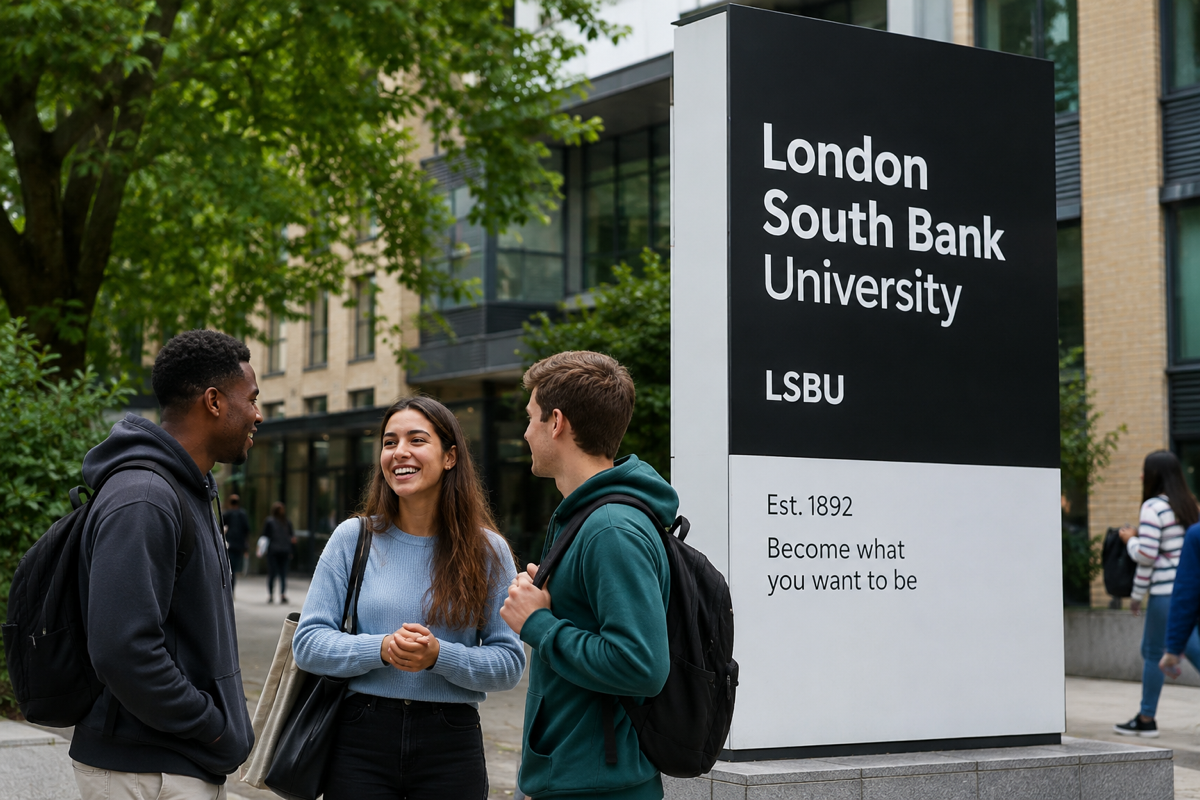
Product design and technology brings together creative thinking, engineering principles and user-centred research to address the challenge of designing objects, systems and experiences that work well for people and the world. It is a discipline that spans the boundary between art and science, asking you to be simultaneously creative and rigorous, inventive and practically grounded. Product designers shape the things we live with and the systems we depend on, and the best design combines functional performance with aesthetic quality, sustainability and genuine responsiveness to human need. At London South Bank University, this four-year full-time programme includes a foundation year, which provides a thorough preparation for degree-level design and technology study. From the foundation year you progress into the main degree, where you can develop a specialism based on your interests. The programme offers three pathways: Circular Economy, User Experience, and Design Engineering. In your first year you will experience taster projects across all three before choosing your direction in the second year. This structure allows you to develop both breadth and depth, moving from a wide introduction to focused specialist expertise. A sandwich year placement and a work placement are embedded in the programme, giving you substantial professional experience in real design and engineering contexts. You will develop skills in design research, concept development, prototyping, materials science, manufacturing processes, and digital design tools. Sustainability and the environmental impact of design decisions are treated as core concerns throughout, reflecting the growing importance of the circular economy to design practice. The ability to communicate design thinking visually and verbally is also developed alongside technical competency. Graduates move into product design, industrial design, design engineering, UX and interaction design, sustainable design consultancy, manufacturing, and innovation roles across industries including consumer goods, technology, healthcare and transport. Further study at postgraduate level is an option for those who want to specialise or move into design research.
Syllabus & Modules
Typical curriculumStudent Satisfaction
National Student Survey - 70 respondents (78% response rate)
Similarly Ranked Alternatives
What comes next? 🎓
Choosing the right university starts with choosing the right school. Explore transparent, data-driven school profiles powered by official DfE statistics.
Explore Schools on WhatSchool.ai →