BA Product Design with Foundation Year
About this course
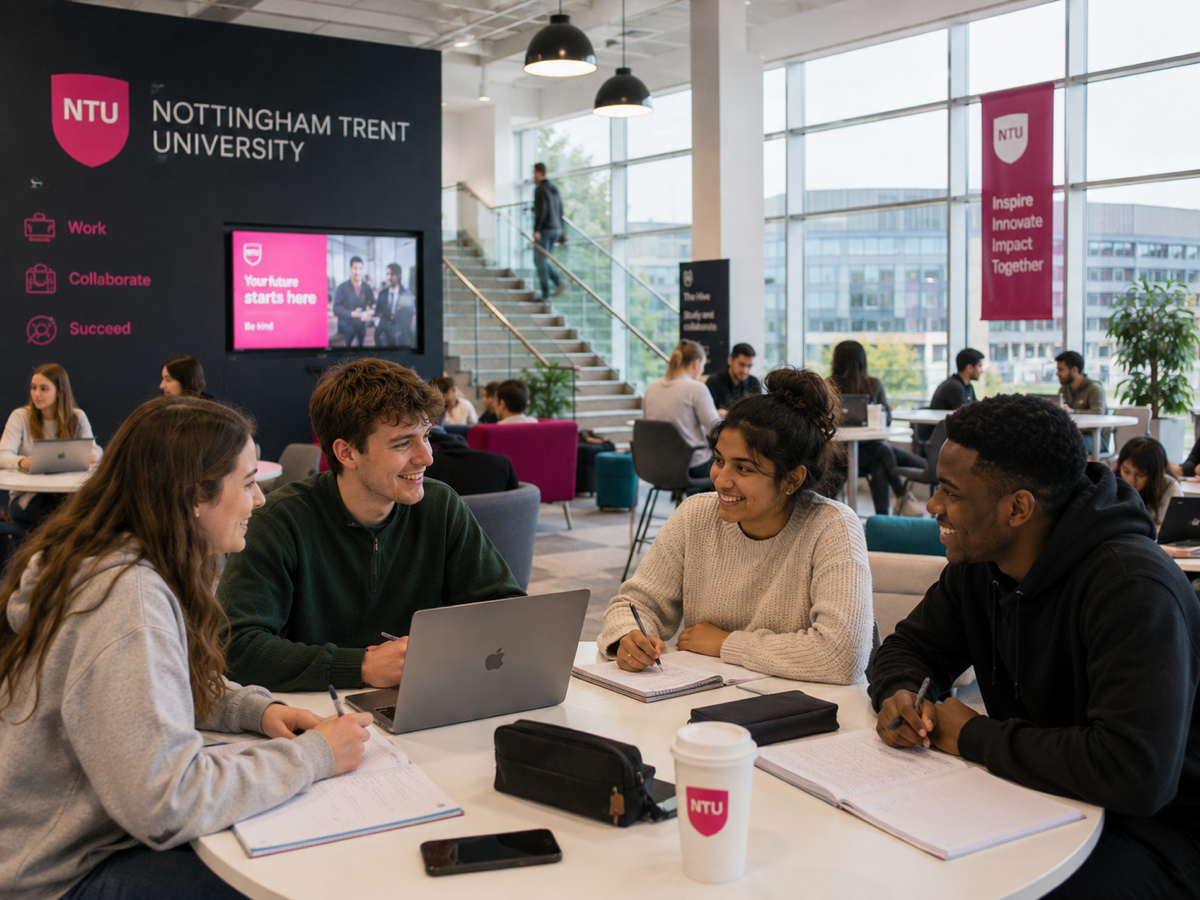
Product design is the discipline concerned with conceiving, developing, and realising objects and systems that serve human needs. It brings together aesthetics and engineering, creativity and rigour, and asks how things can be made not just to work but to work well, to look right, to be made efficiently, to be used intuitively, and increasingly to be made and discarded in ways that minimise environmental harm. Product designers apply their knowledge to everything from household appliances and furniture to medical devices, consumer electronics, and transportation. At Nottingham Trent University, this four-year, full-time programme begins with a foundation year, making it accessible to students who want to develop their creative and technical foundations before progressing to the main degree. NTU has a well-regarded product design department with strong industry connections and excellent workshop and studio facilities, and the foundation year provides an effective bridge from previous study to the demands of degree-level design work. Once in the main programme, you will develop skills in ideation and concept development, sketching and visual communication, digital modelling and CAD, prototyping and material exploration, and manufacturing processes. You will learn to research user needs, to iterate your designs in response to feedback, and to present your work professionally. Sustainability is woven throughout, ensuring that your practice is informed by awareness of how design decisions affect resource use and environmental impact. A typical entry tariff of 120 UCAS points indicates the expectations for entry. Product design develops a distinctive creative confidence alongside technical precision. You will learn to move fluently between the abstract and the concrete, turning ideas into objects that function in the real world. Graduates work in product development, industrial design, design consultancy, furniture and interiors, medical and assistive technology, and sustainable design. Many build independent practices or join design agencies. Postgraduate study in design, materials, or engineering is also a route taken by some graduates.
Syllabus & Modules
Typical curriculumStudent Satisfaction
National Student Survey - 680 respondents (74% response rate)
Similarly Ranked Alternatives


What comes next? 🎓
Choosing the right university starts with choosing the right school. Explore transparent, data-driven school profiles powered by official DfE statistics.
Explore Schools on WhatSchool.ai →