BSc Psychology of Sport and Exercise
About this course
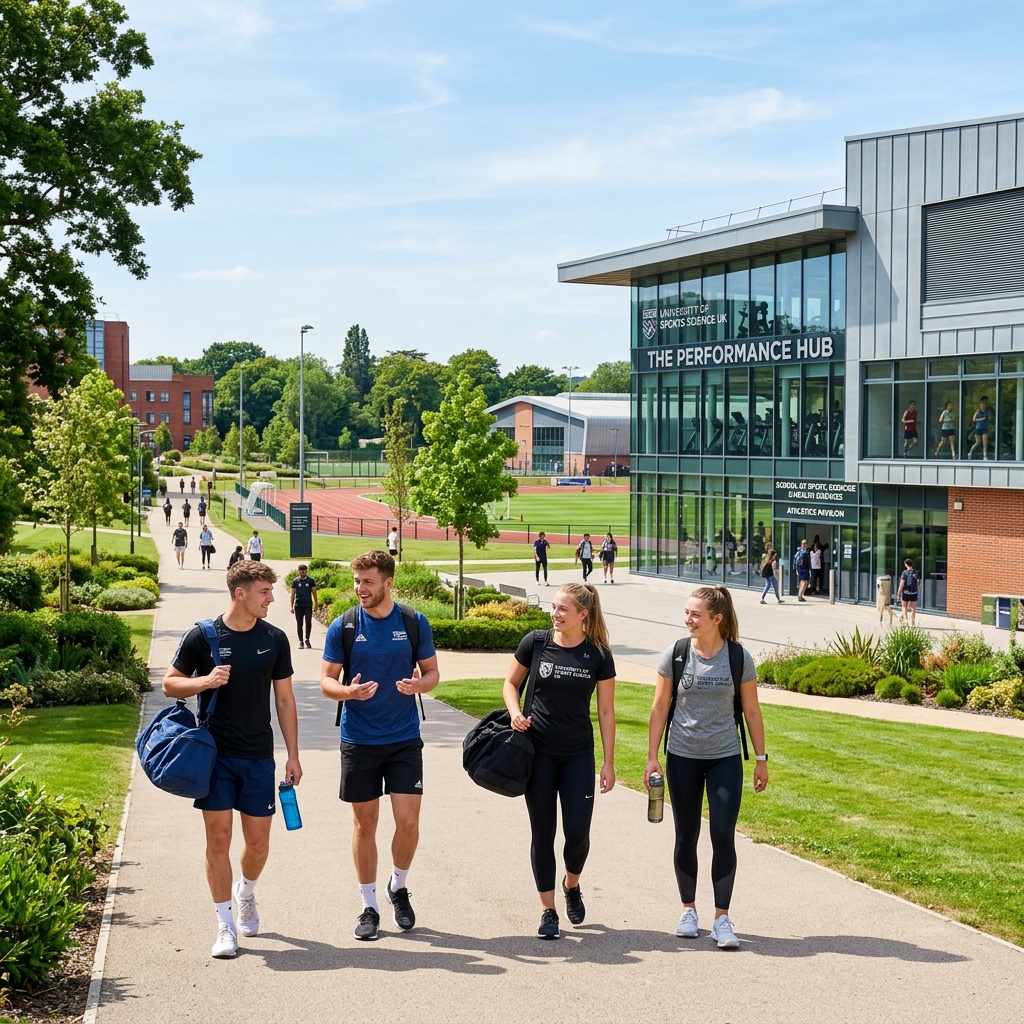
The psychology of sport and exercise applies the methods and theories of psychology to two distinct but related contexts: the performance environment of competitive sport and the broader landscape of physical activity and public health. Sport psychology is concerned with how psychological factors such as motivation, concentration, confidence, and emotional regulation affect performance, how athletes cope with pressure and injury, and how coaches can be more effective in developing the people they work with. Exercise psychology focuses on understanding and promoting physical activity in the general population, examining how exercise affects mental health and how barriers to active lifestyles can be addressed. At Loughborough University, this four-year full-time programme draws on one of the UK's strongest sport science environments to deliver rigorous training in both strands. You will study the psychological principles underlying sporting performance and learn to apply them in coaching, athlete support, and performance analysis contexts. The exercise psychology element equips you to understand and promote the mental health benefits of physical activity and to work with people across the full spectrum of activity levels. The degree includes a year abroad in the third year, broadening your academic and personal horizons through study in a different environment. With a typical entry tariff of 152 UCAS points, this is a competitive programme at a university renowned for sport. Graduates from psychology of sport and exercise programmes pursue careers across sport, health, and the broader psychology field. Sport psychology support roles with athletes, coaching education, health and exercise promotion, corporate wellbeing, and community sport development are all destinations. Those who wish to practise as a chartered sport and exercise psychologist will need to complete accredited postgraduate training following their degree. Postgraduate options also include clinical and health psychology, sport science research, and coaching psychology.
Syllabus & Modules
Typical curriculumStudent Satisfaction
National Student Survey - 65 respondents (80% response rate)
Similarly Ranked Alternatives


What comes next? 🎓
Choosing the right university starts with choosing the right school. Explore transparent, data-driven school profiles powered by official DfE statistics.
Explore Schools on WhatSchool.ai →