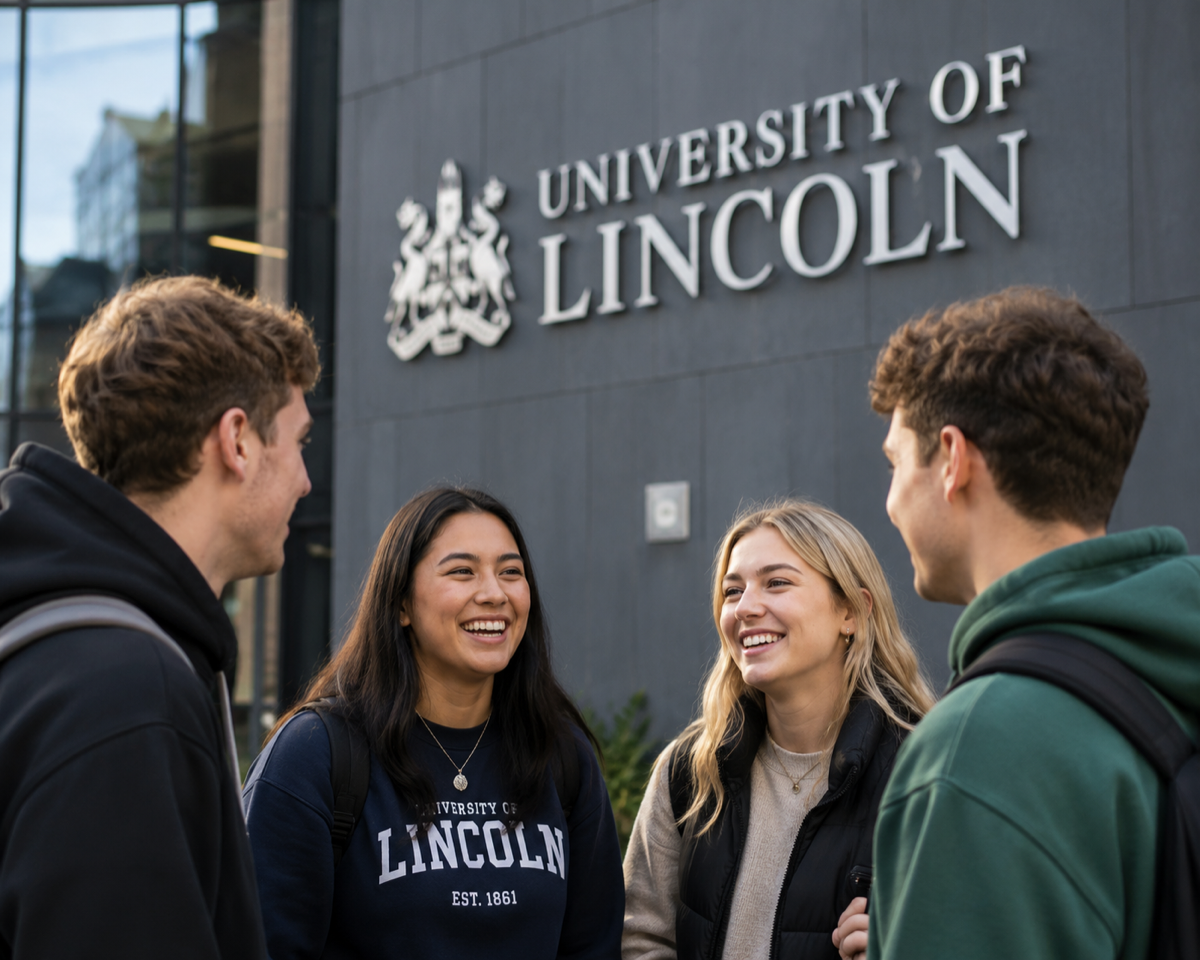
BSc Psychology (Sport and Exercise Psychology)
About this course
Sport and exercise psychology applies the principles and methods of psychological science to understanding how people think, feel, and behave in sporting and physical activity contexts. It is a discipline that asks why some athletes perform at their best under pressure while others do not, how motivation and confidence are developed and sustained, what psychological factors support physical health and exercise adherence, and how coaches and practitioners can use psychological knowledge to support performance and wellbeing. The field draws on social psychology, cognitive psychology, developmental psychology, and counselling, and its applications range from elite sport to community physical activity and rehabilitation. At the University of Lincoln, this part-time programme in Psychology with a specialism in Sport and Exercise Psychology includes a sandwich placement year and a year abroad alongside work placement opportunities. The part-time mode makes the programme accessible to those managing other commitments alongside their studies. The sandwich year and placements give you direct professional experience in applied settings, where you can develop the practical skills of psychological support and observation alongside your academic understanding. The year abroad adds breadth and an international perspective to your training. You will study the core areas of psychology required for professional recognition, including research methods, statistics, cognitive and biological psychology, and social psychology, alongside specialist content in sport and exercise. You will develop strong research skills and the ability to apply psychological theory critically to practical situations. The programme equips you to think rigorously about psychological evidence, to understand individual differences in motivation and performance, and to work sensitively and professionally with athletes, coaches, and exercise participants. Graduates typically pursue careers as sport psychologists, performance coaches, exercise psychologists working in health and rehabilitation, or researchers in sport and exercise science. Professional accreditation routes through the British Psychological Society are a key pathway for those wishing to practise as psychologists. Roles in talent development, coaching education, public health, and the military are further options. Postgraduate study in applied sport psychology or clinical psychology is common for those seeking practitioner status.
Syllabus & Modules
Typical curriculumStudent Satisfaction
Missing Satisfaction Data
The university has not shared complete student satisfaction records for this specific degree metrics block. You may want to formally explore these topics with the university staff at an open day before committing.
What comes next? 🎓
Choosing the right university starts with choosing the right school. Explore transparent, data-driven school profiles powered by official DfE statistics.
Explore Schools on WhatSchool.ai →