High Drop-out Rate Alert
20% of students drop out or transfer from this specific course. Consider asking why on an open day.
BA Psychology
About this course
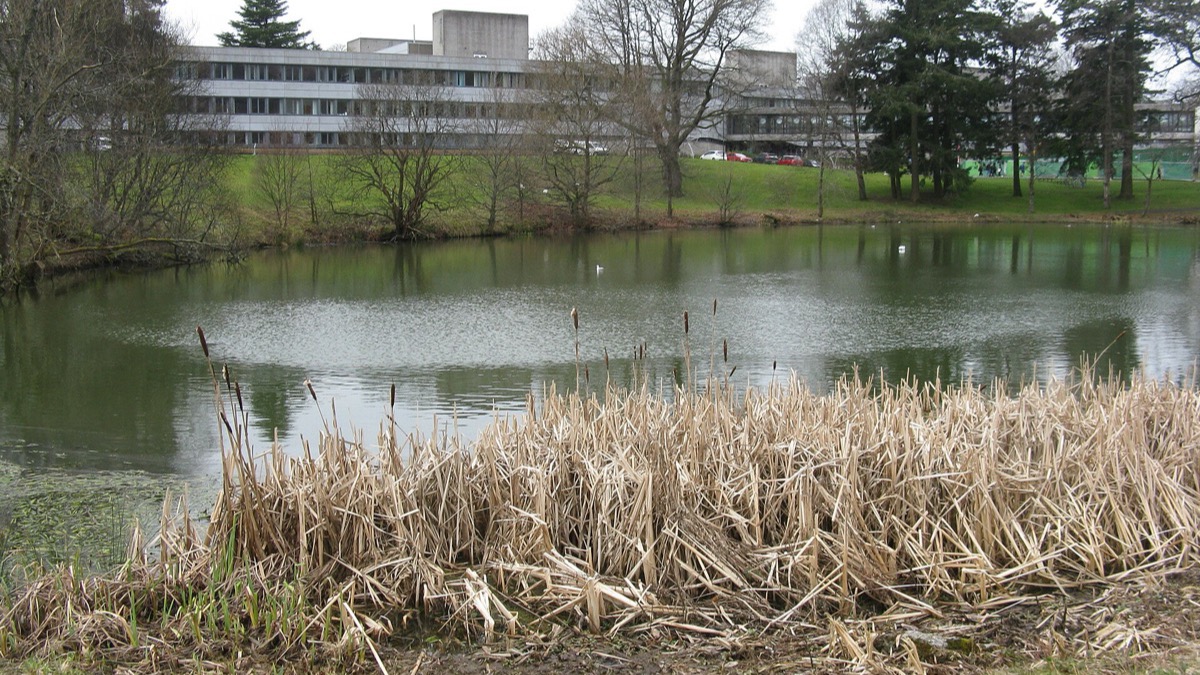
Psychology is the scientific study of mind, behaviour and human experience. It asks how we think, perceive, learn, remember, feel and relate to others, and it brings rigorous empirical methods to questions that matter enormously in everyday life, in health, education, work, relationships and society. Studying psychology at degree level means developing both a body of knowledge, covering cognitive, social, developmental, biological and clinical psychology, and a set of research skills that allow you to test ideas rather than merely assert them. At the University of Stirling, you will engage with psychology across its breadth, developing understanding of how the mind works at the level of brain and neuron as well as in the richness of social and cultural life. The programme runs for four years full time, which in the Scottish tradition provides time for breadth in the early years and depth in the later ones. It includes a year abroad, giving you the opportunity to study psychology in an international context and to engage with research traditions and cultural perspectives that may differ significantly from those you encounter at home. The typical entry tariff is 168 points. Throughout the programme you will develop skills in research design, statistical analysis, experimental practice and critical evaluation of evidence. These are not merely academic skills: the ability to design a study, collect and analyse data, and present your findings clearly is directly valued by employers across many sectors. Stirling's strong research environment in psychology means you will study within a community that takes the science seriously. Graduates from psychology programmes pursue a wide range of careers. Clinical and counselling psychology, educational psychology, forensic psychology and health psychology all require further professional training beyond the undergraduate degree. Many graduates move into business, human resources, marketing, public health, social research, education and the civil service. Others continue to postgraduate study in psychology or related fields, pursuing research degrees or professional doctorates.
Syllabus & Modules
Typical curriculumStudent Satisfaction
National Student Survey - 25 respondents (82% response rate)
Similarly Ranked Alternatives


What comes next? 🎓
Choosing the right university starts with choosing the right school. Explore transparent, data-driven school profiles powered by official DfE statistics.
Explore Schools on WhatSchool.ai →