BSc Psychology with Counselling Skills
About this course
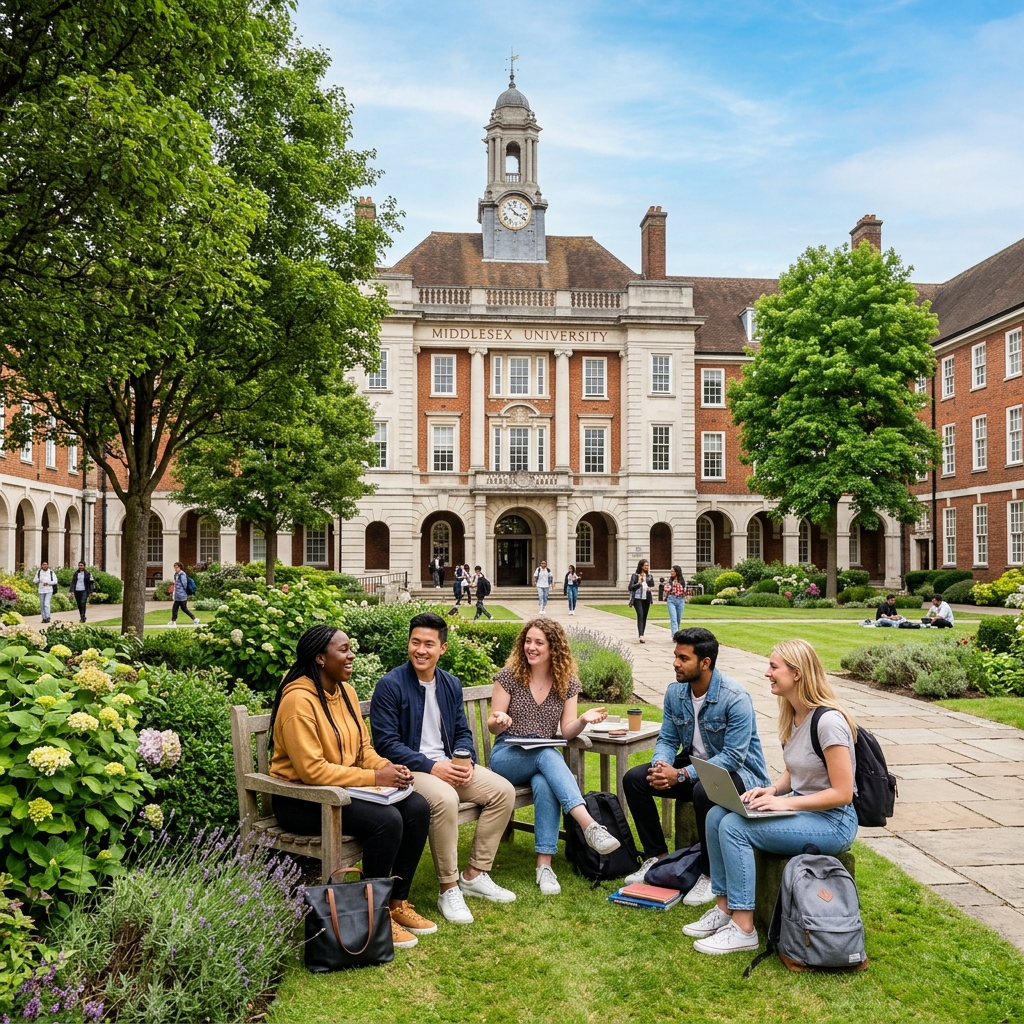
Psychology with counselling skills combines the scientific study of human behaviour and mental processes with the practical therapeutic skills and relational awareness needed to support people in psychological distress. Psychology provides the theoretical and empirical foundations, developing your understanding of cognition, emotion, development, personality, and social behaviour alongside the research methods needed to evaluate psychological evidence rigorously. Counselling skills training adds a dimension that is both personally and professionally transformative, developing empathetic listening, therapeutic communication, self-awareness, and the ability to work ethically within helping relationships. Together, the two strands prepare graduates who can think scientifically about the mind while also developing the relational competence that applied practice in psychology and therapy requires. Studied part-time at Middlesex University in London, this BPS-accredited degree with a foundation year and sandwich year with work placement is designed for students who want to combine academic psychological study with hands-on experience in therapeutic settings. The BPS accreditation means the degree confers the Graduate Basis for Chartered Membership, which is the prerequisite for postgraduate professional training in clinical, counselling, educational, or other applied psychology fields. You will develop skills in psychological theory, research, and data analysis alongside practical counselling skills, gaining experience in therapeutic settings through the programme's placement component. Graduates are well prepared for a range of careers in mental health, healthcare, education, social care, and the voluntary sector. Many continue to postgraduate professional training in clinical psychology, counselling psychology, or psychotherapy, using the degree's BPS accreditation and counselling skills foundation as a strong starting point for applied practice. Others enter roles in mental health support, psychological wellbeing practitioner services, human resources, research, and community health promotion, drawing on both the scientific and the relational dimensions of their training. The degree is particularly well designed for students who have a clear intention to work in the helping professions.
Syllabus & Modules
Typical curriculumStudent Satisfaction
National Student Survey - 35 respondents (82% response rate)
What comes next? 🎓
Choosing the right university starts with choosing the right school. Explore transparent, data-driven school profiles powered by official DfE statistics.
Explore Schools on WhatSchool.ai →