BA Religion, Culture and Society
About this course
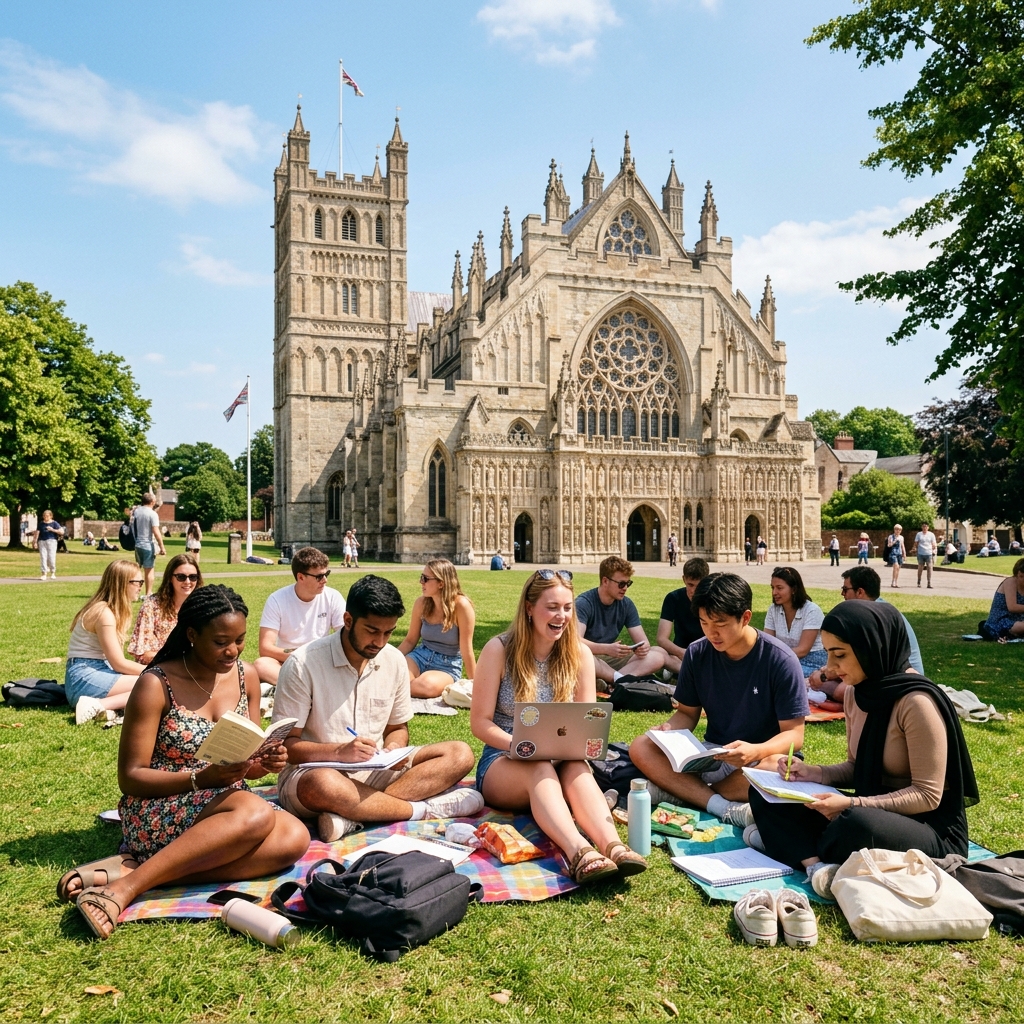
Religion, culture, and society is a discipline that takes seriously one of the most persistent and consequential features of human life. Religion has shaped art, ethics, politics, family structures, and legal systems across every known civilisation, and it continues to do so in ways that are sometimes obvious and sometimes invisible to those outside the relevant traditions. Studying religion academically means exploring it not as a matter of personal belief but as a social, cultural, and historical phenomenon, asking how religious communities are organised, how they change over time, how they interact with political power, and how they shape and are shaped by the cultures in which they are embedded. At the University of Exeter, this three-year full-time programme draws on sociology, history, anthropology, philosophy, and textual study to build a rigorous and sympathetic understanding of religious traditions and their role in human life. You will engage with a range of religious traditions and worldviews, developing your ability to analyse their texts, practices, institutions, and social effects with the same critical tools you would apply to any cultural phenomenon. The course encourages a comparative approach, examining what different religious traditions share and where they diverge, and how those similarities and differences matter for understanding contemporary society. The programme includes a sandwich year, a year abroad, and work placement experience, giving you a rich combination of professional exposure and international study that deepens both your academic and personal development. Graduates from religion, culture, and society programmes go on to careers in education, social work, interfaith dialogue, cultural policy, journalism, the civil service, international relations, heritage, and development organisations. The capacity for nuanced cross-cultural understanding and careful ethical reasoning that the degree develops is valued in many professional contexts. Further study at postgraduate level, including research degrees and taught master's programmes in religious studies, sociology of religion, or area studies, is open to those who wish to deepen their expertise.
Syllabus & Modules
Typical curriculumStudent Satisfaction
National Student Survey - 15 respondents (74% response rate)
Similarly Ranked Alternatives



What comes next? 🎓
Choosing the right university starts with choosing the right school. Explore transparent, data-driven school profiles powered by official DfE statistics.
Explore Schools on WhatSchool.ai →