BA Russian and Spanish
About this course
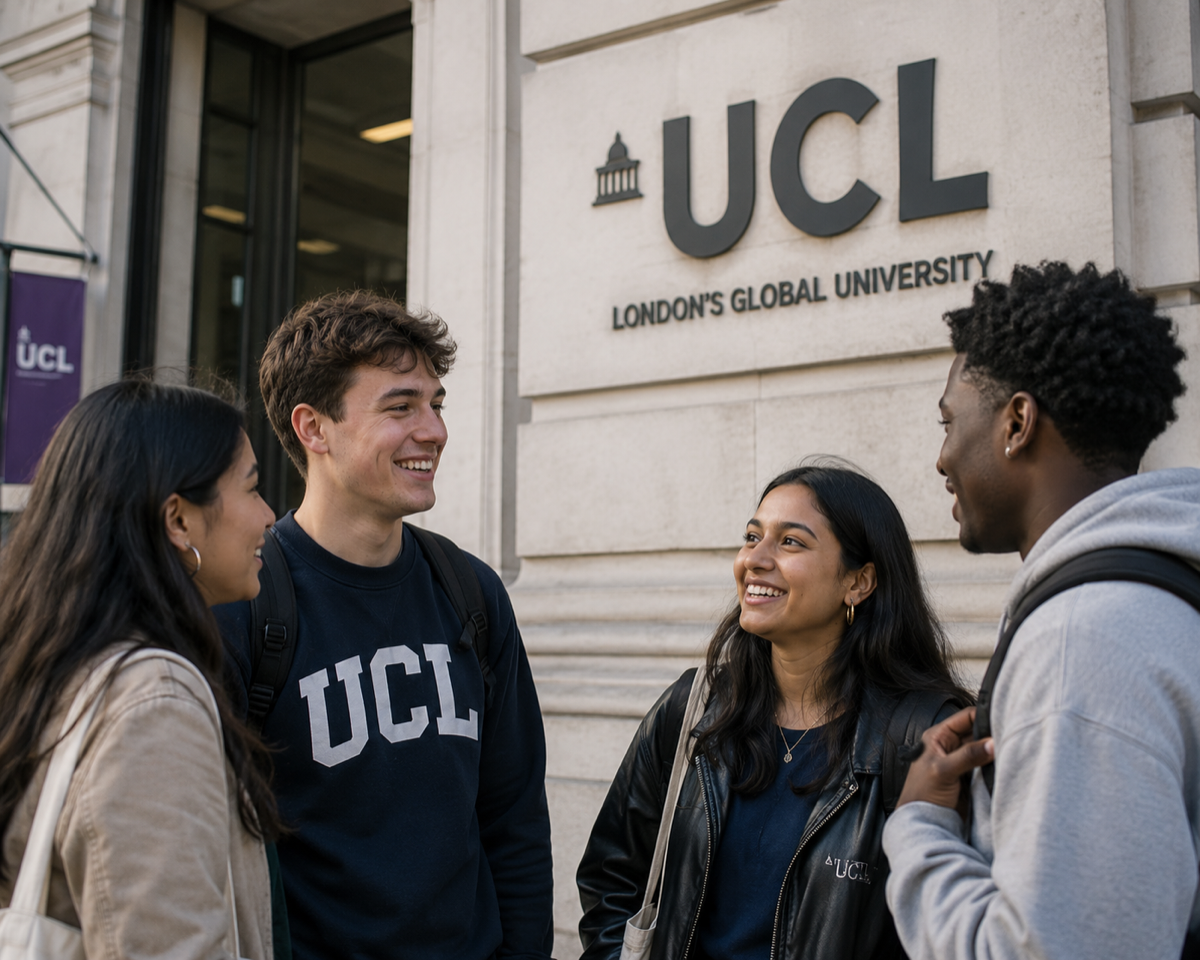
Russian and Spanish together bring two of the world's most geographically extensive and culturally influential languages into a single programme. Russian is the largest native language in Europe and gives access to one of the great literary traditions of the modern world, from Pushkin and Gogol to Chekhov and Tolstoy, as well as to a country whose political significance in world affairs has rarely been greater. Spanish is spoken by over five hundred million people across Spain and Latin America, making it one of the most widely spoken languages in the world, and it opens the door to an extraordinarily diverse range of cultures, literatures, and societies. At University College London, this four-year programme develops advanced proficiency in both languages alongside serious study of the cultures, histories, and literatures of the Russian- and Spanish-speaking worlds. You will work on Russian and Spanish throughout the programme at an advanced level, studying grammar and language structure alongside literary and non-literary texts in both languages. The Russian strand will introduce you to the Cyrillic script and the distinctive challenges of a Slavic language structure, while the Spanish strand will build on and deepen existing knowledge or introduce the language from a more advanced starting point. UCL has outstanding expertise in both Slavonic and Hispanic studies, and the programme reflects the quality and depth of both departments. Graduates with Russian and Spanish from UCL are particularly well placed for careers in diplomacy, international organisations, journalism, translation and interpreting, international business, academic research, and cultural roles. The combination spans Eastern Europe and the Slavic world on one side and Latin America and the Iberian Peninsula on the other, giving graduates an unusually wide range of professional contexts in which their linguistic and cultural expertise is directly applicable. Postgraduate study in translation, area studies, or comparative literature is also a natural route.
Syllabus & Modules
Typical curriculumStudent Satisfaction
National Student Survey - 25 respondents (63% response rate)
Similarly Ranked Alternatives



What comes next? 🎓
Choosing the right university starts with choosing the right school. Explore transparent, data-driven school profiles powered by official DfE statistics.
Explore Schools on WhatSchool.ai →