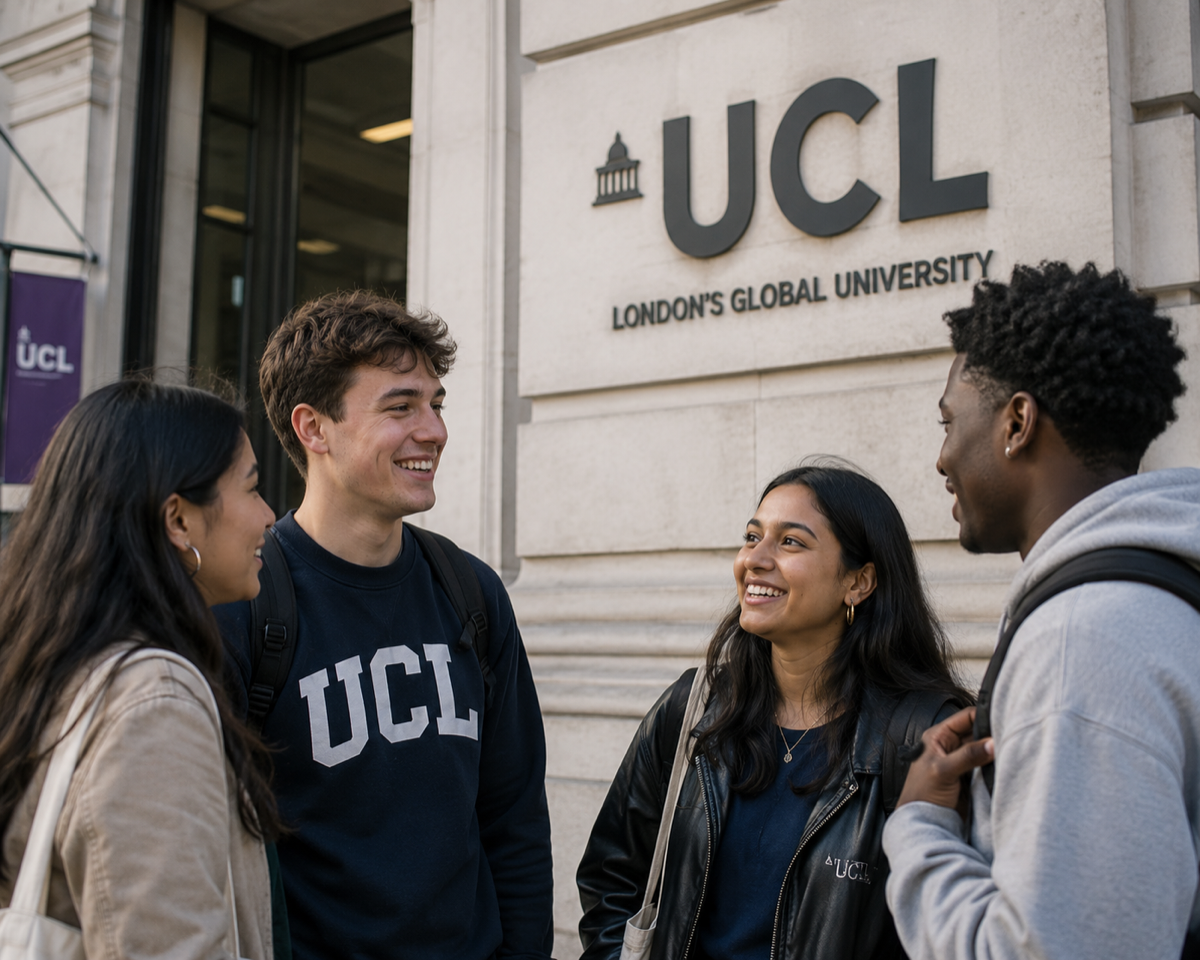
BA Russian and Swedish
About this course
Russian and Swedish is a language combination that gives you access to two very different but equally fascinating European linguistic and cultural traditions. Russian is the most widely spoken Slavic language, the language of one of the great literary traditions of the nineteenth and twentieth centuries, and the primary language of a major geopolitical power with influence across Eurasia. Swedish is the language of Scandinavia's largest country, of a distinctive social and cultural tradition, and of a Nordic model of society that has attracted global attention for its approach to welfare, equality, and innovation. Together they give you a remarkable breadth of European perspective. At University College London this four-year full-time degree develops your competence in both languages from whatever starting level you bring, taking you through their grammars, literatures, and cultures while also giving you the linguistic analytical tools to understand how each language is structured and how it relates to other languages in its family. You will read Russian literature in the original language, engage with the cultural history of the Soviet and post-Soviet periods, and explore the Scandinavian cultural sphere through Swedish-language texts and contemporary cultural production. The four-year structure allows both languages to be pursued with the depth they deserve. Graduates with Russian and Swedish have a distinctive and valuable profile. Russian-language skills are in demand in diplomacy, international affairs, energy, journalism, and academic research on Eastern Europe and Eurasia. Swedish opens doors in Scandinavian-facing business, the Nordic public sector, and the growing internationalisation of Swedish companies. Careers in translation, interpreting, international organisations, teaching, and academic research are all well-suited to this combination. Postgraduate study in Slavonic studies, Scandinavian studies, or comparative literature is a natural route for those with scholarly ambitions.
Syllabus & Modules
Typical curriculumStudent Satisfaction
National Student Survey - 10 respondents (52% response rate)
Similarly Ranked Alternatives
What comes next? 🎓
Choosing the right university starts with choosing the right school. Explore transparent, data-driven school profiles powered by official DfE statistics.
Explore Schools on WhatSchool.ai →