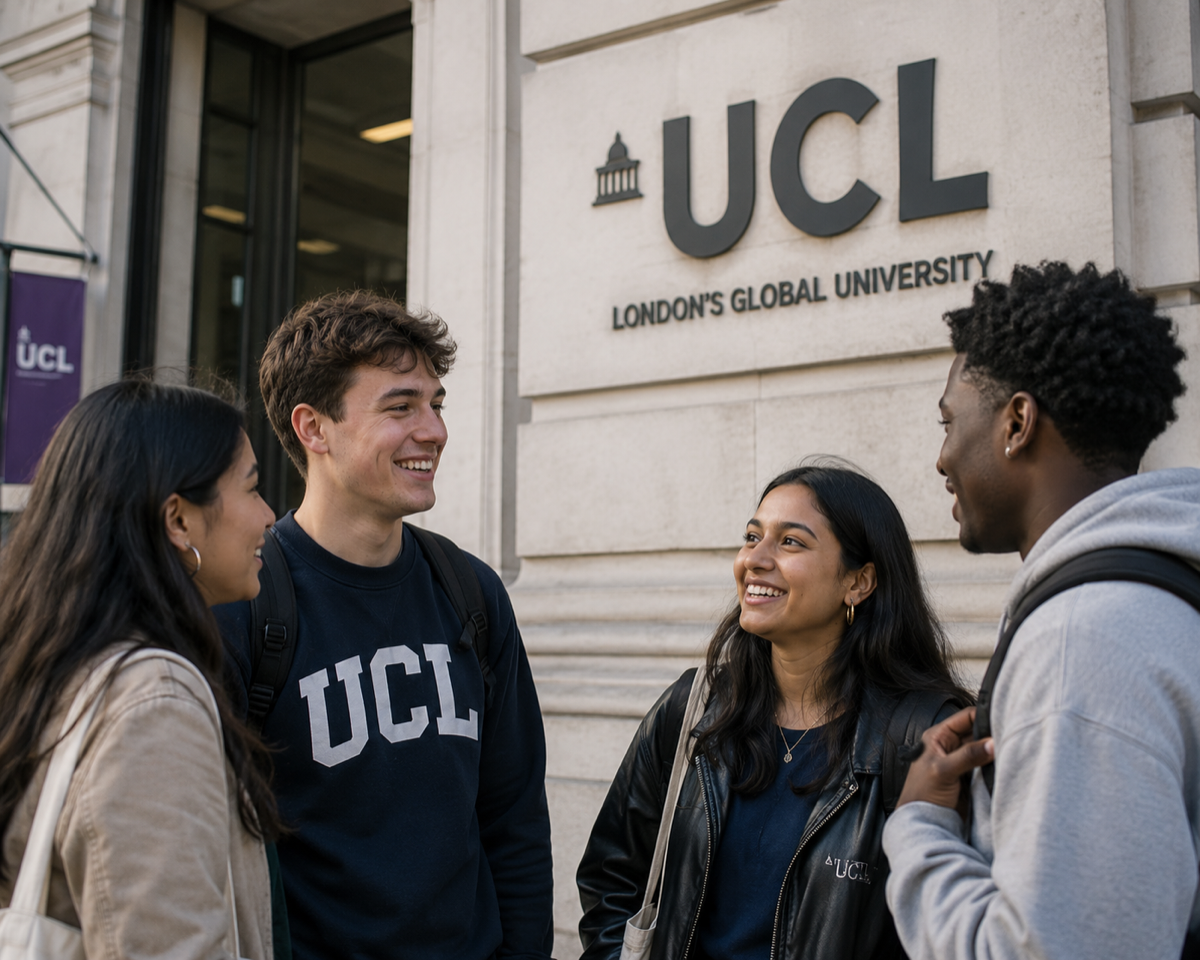
BA Serbian/Croatian and Portuguese
About this course
Serbian/Croatian and Portuguese at University College London is an unusual and rewarding combination of two of the world's major language traditions. Serbian and Croatian are South Slavic languages, closely related to each other and to the broader Slavic family, and studying them gives you access to the literature, culture, history, and contemporary life of the Western Balkans, a region whose complex and turbulent twentieth-century history, including the dissolution of Yugoslavia, makes it one of the most important areas of study for anyone interested in nationalism, conflict, and European identity. Portuguese is the language of Portugal and of Brazil, as well as of significant communities across Africa and Asia, and it is a world language of remarkable reach and diversity, with a literary tradition that includes some of the finest poetry and fiction of the modern era. At UCL, you will study both languages to a high level of proficiency over four years of full-time study, engaging with their literatures, histories, and cultures in depth. The programme draws on UCL's distinguished tradition in linguistics and area studies, and you will develop not only practical language competence but also the critical and analytical skills needed to engage with texts, films, and cultural phenomena in both languages. The combination is particularly suited to students with a broad intellectual curiosity who want to develop expertise in parts of the world that are underrepresented in British higher education and that matter enormously for understanding both European and global dynamics. Graduates with expertise in Serbian/Croatian and Portuguese have a rare and genuinely valuable set of language skills that open doors in diplomacy, international organisations, journalism, translation, interpreting, and international business. The Western Balkans context is particularly relevant for careers in the European Union, NGOs, and international bodies working on peace-building and development. Brazil and the wider Lusophone world offer significant commercial and cultural opportunities for graduates with Portuguese. Academic research in Slavic or Lusophone studies, postgraduate study in translation, or further qualifications in interpreting or international relations are natural next steps for those who want to develop their expertise.
Syllabus & Modules
Typical curriculumStudent Satisfaction
National Student Survey - 25 respondents (63% response rate)
Similarly Ranked Alternatives

What comes next? 🎓
Choosing the right university starts with choosing the right school. Explore transparent, data-driven school profiles powered by official DfE statistics.
Explore Schools on WhatSchool.ai →