BSc Sociology and Education
About this course
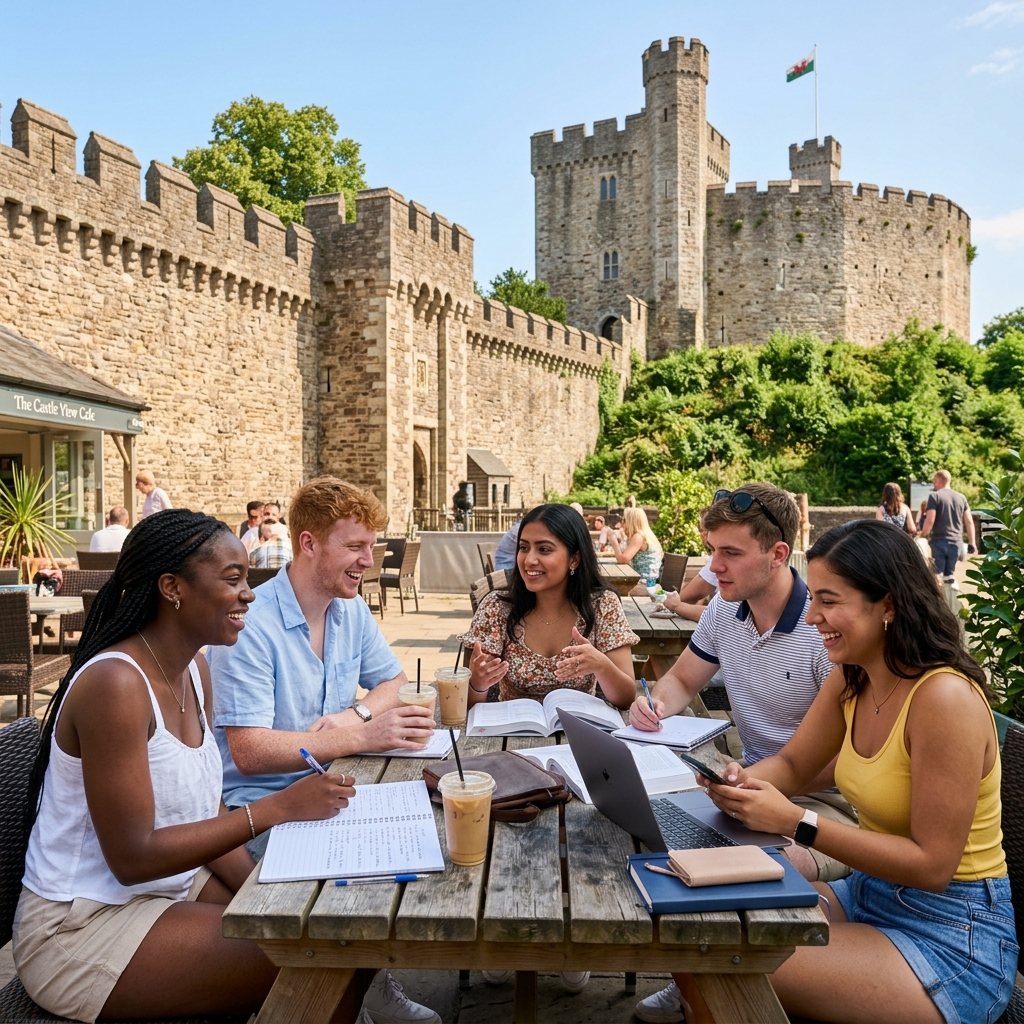
Sociology and education is a combination that recognises how fundamental the relationship between social structures and educational systems is. Education is not simply a technical matter of curriculum delivery and assessment, but a deeply social institution through which inequalities are reproduced or challenged, identities are formed, knowledge is selected and certified, and the next generation is socialised into the norms and expectations of society. Sociology provides the theoretical and empirical tools to examine these processes critically, asking why certain groups consistently achieve less than others, how schools and universities reflect and reinforce social divisions, and how education might be transformed to produce more equitable outcomes. At Cardiff University, you will study this three-year full-time programme in a research-active institution with genuine depth in both sociology and education studies. Cardiff's School of Social Sciences and its School of Education are both well regarded, and the programme draws on expertise in social theory, educational policy, the sociology of youth and the study of inequality in educational contexts. The typical entry tariff for this programme is around 136 UCAS points. You will study sociological theory and research methods alongside educational policy analysis, the sociology of schooling, higher education policy, race and education, gender and education, the sociology of childhood and youth, and comparative education. The programme develops your ability to engage critically with evidence about how educational systems operate, to evaluate policy claims and to think rigorously about the relationship between education, social mobility and structural inequality. Graduates of sociology and education programmes work in a wide range of contexts including teaching in schools and further education (with additional training), educational management and policy roles in local authorities and government, research in universities and think tanks, social work, youth work, community development, charities and the civil service. Many graduates go on to train as teachers through PGCE or School Direct routes, finding that the sociological grounding of their degree gives them a distinctive perspective on their professional practice. Postgraduate study in sociology, education, social policy or social work is a well-supported next step.
Syllabus & Modules
Typical curriculumStudent Satisfaction
National Student Survey - 15 respondents (70% response rate)
Similarly Ranked Alternatives

What comes next? 🎓
Choosing the right university starts with choosing the right school. Explore transparent, data-driven school profiles powered by official DfE statistics.
Explore Schools on WhatSchool.ai →