BSc Sociology (Digital Media) with Placement Year
About this course
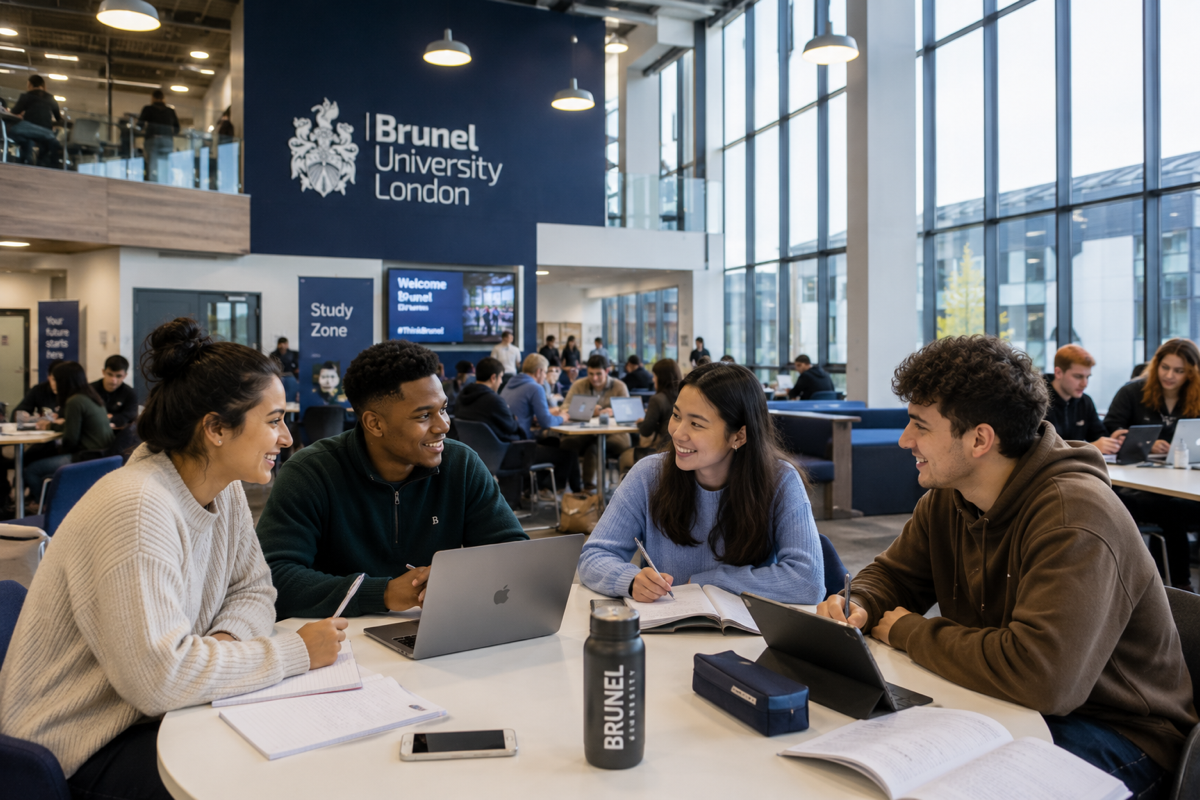
Sociology with a focus on digital media addresses one of the most pressing questions of contemporary life: how digital technologies are reshaping society, identity, community, politics and culture. The internet, social media platforms, streaming services, algorithmic curation and the pervasive connectivity of smartphones have transformed almost every dimension of how people live, relate and understand themselves and the world. Understanding these transformations sociologically, with the analytical tools to distinguish between evidence and assertion and to examine the structural forces that shape technological change, is more important and more urgent than ever. At Brunel University London, this four-year programme, which includes a placement year, teaches you to examine the role digital technologies and digital media play in shaping society and influencing thoughts and behaviours. You will study core sociological theory, from classical sociology through to contemporary perspectives, and apply that theoretical grounding to the specific phenomena of digital culture: platform capitalism, algorithmic power, digital inequalities, online communities, datafication and the politics of information. The placement year gives you the opportunity to develop professional experience in a social research, media or policy environment before you complete your final year of study, building practical capabilities alongside your academic formation. Sociology develops habits of systematic and critical thinking that are genuinely valuable across many professional contexts: the ability to analyse social structures, question common sense assumptions and work with evidence about complex human phenomena is useful well beyond academic research. Graduates go on to careers in social and market research, journalism, public policy, communications, digital media, the civil service, charities, health and social care organisations and education. The digital media specialism opens particular opportunities in technology organisations, media companies, digital communications and policy roles focused on online regulation and internet governance. Further study in sociology, media studies or digital humanities is also common.
Syllabus & Modules
Typical curriculumStudent Satisfaction
National Student Survey - 30 respondents (79% response rate)
Similarly Ranked Alternatives

What comes next? 🎓
Choosing the right university starts with choosing the right school. Explore transparent, data-driven school profiles powered by official DfE statistics.
Explore Schools on WhatSchool.ai →