High Drop-out Rate Alert
30% of students drop out or transfer from this specific course. Consider asking why on an open day.
BSc Sport and Exercise Nutrition
About this course
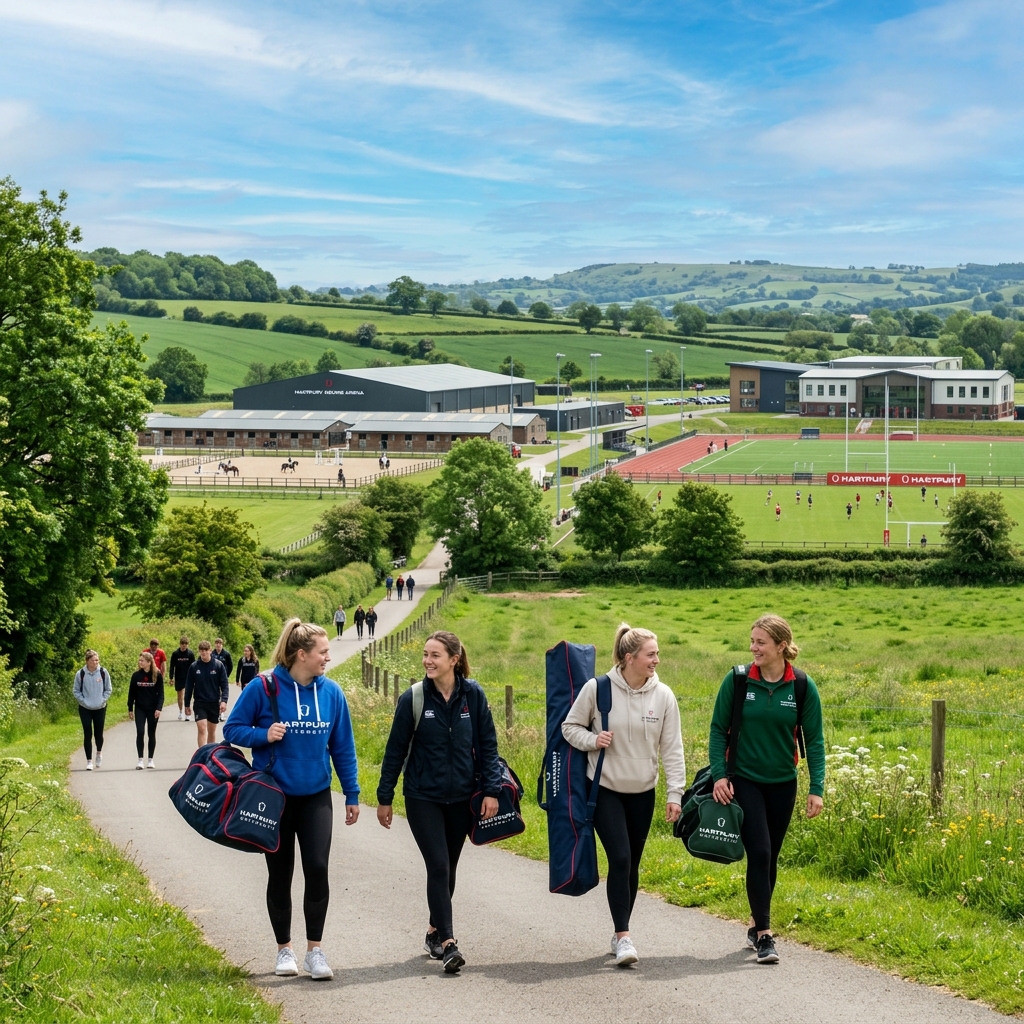
Sport and exercise nutrition is a relatively young but rapidly growing discipline that applies nutritional science to the specific demands of physical performance. Athletes, recreational exercisers and sporting organisations increasingly recognise that what an individual eats and drinks profoundly affects their capacity to train, compete and recover, and the field draws on biochemistry, physiology, dietetics and sports science to understand these relationships and to provide evidence-based guidance. The work of a sport nutritionist ranges from working with elite athletes to optimising their competition-day fuelling strategies, to helping recreational exercisers understand how diet affects their health and performance. At Hartpury University you will study this three-year full-time programme, which includes a sandwich placement year and embedded work placement opportunities. The practical dimension of the course is significant: you will develop your skills using specialist dietary software, cooking for athletes and designing menus for the recreational and performance athletes based on the Hartpury campus. This on-site access to a real sporting population gives you experience that is difficult to replicate in a purely classroom-based setting, and the research-active staff who support you are experts in the field. The typical entry tariff is around 88 UCAS points. You will study human physiology, macronutrient and micronutrient metabolism, dietary assessment methods, nutritional strategies for performance and recovery, weight management, supplement use and the psychological aspects of eating in sport. The placement year allows you to apply this knowledge in a professional context, working alongside coaches, physiologists and dietitians. Graduates of sport and exercise nutrition programmes work with professional and elite sports teams, sports performance academies, national governing bodies and fitness and wellness organisations. Roles in sports nutrition consultancy, dietary coaching, health promotion and performance support are all accessible destinations. Some graduates pursue registration as a registered nutritionist and progress into clinical or public health roles, while others move into research, education or the sports supplement and food industry. Postgraduate study in nutrition or sports science is a further option.
Syllabus & Modules
Typical curriculumStudent Satisfaction
National Student Survey - 10 respondents (91% response rate)
Similarly Ranked Alternatives



What comes next? 🎓
Choosing the right university starts with choosing the right school. Explore transparent, data-driven school profiles powered by official DfE statistics.
Explore Schools on WhatSchool.ai →