High Drop-out Rate Alert
22% of students drop out or transfer from this specific course. Consider asking why on an open day.
BSc Sport and Exercise Science (Extended Degree)
About this course
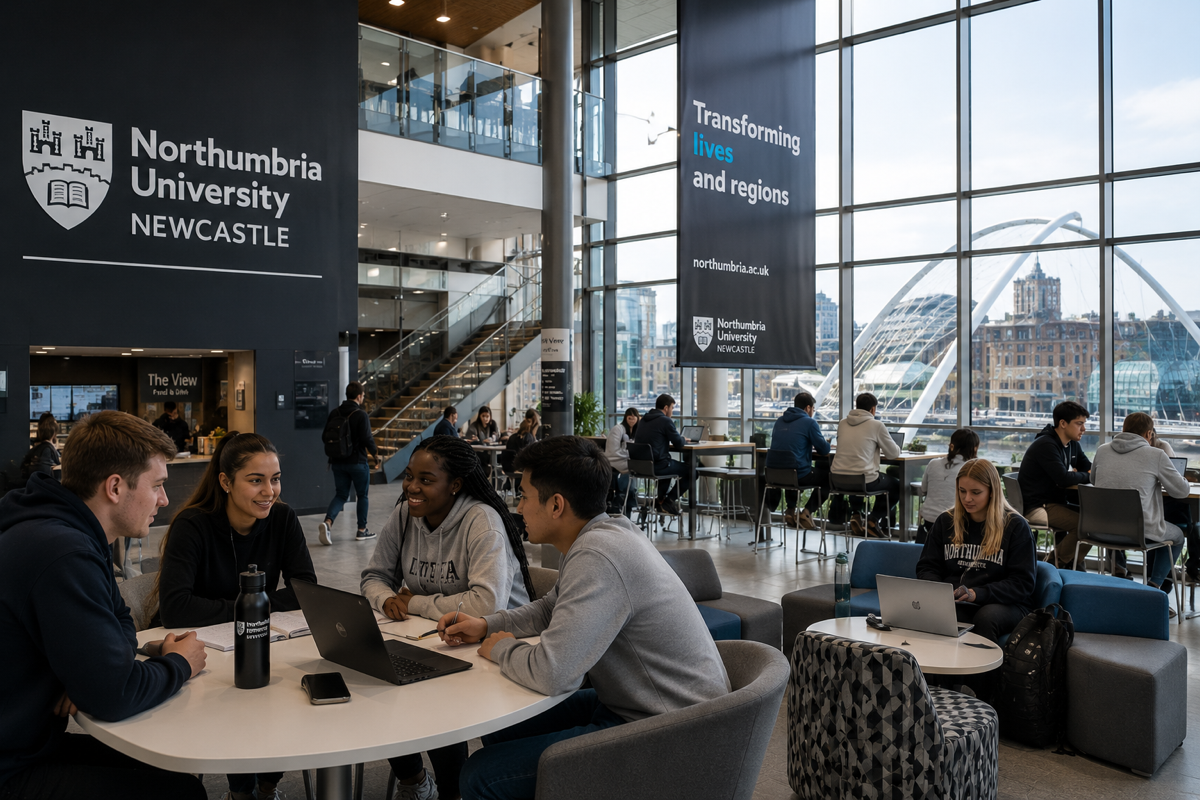
Sport and exercise science applies the methods of physiology, biomechanics, and psychology to understand how the human body performs, adapts, and recovers in physical activity and competitive sport. It is a discipline that connects fundamental biological science to the practical challenges of improving athletic performance, promoting physical health across the population, and understanding the limits and capabilities of the human body under different conditions. The questions it asks range from the cellular mechanisms of muscle fatigue to the psychological determinants of peak performance under competitive pressure. At Northumbria University, this four-year extended degree programme includes a sandwich year, a year abroad, and work placement opportunities, providing a combination of professional experience and international study that is particularly generous for a sport science programme. The extended structure gives you additional time to develop scientific understanding and practical skills before tackling the most advanced content. You will study exercise physiology, sport biomechanics, sport and exercise psychology, strength and conditioning, sport nutrition, and research methods, developing both laboratory and field-based competencies alongside the analytical skills that evidence-based practice demands. The sandwich year allows you to work in a professional sport environment or research laboratory, while the year abroad gives you experience of sport science education and practice in another country. A typical entry tariff of 136 points is expected. Sport and exercise science graduates work in professional sport as performance analysts, strength and conditioning coaches, physiologists, and sport scientists, as well as in exercise rehabilitation, health promotion, coaching, and teaching. The extended programme and placement experience are significant advantages in a competitive graduate market. Many graduates continue to postgraduate study in a specific sport science discipline, including physiology, biomechanics, psychology, or clinical exercise science. The year abroad is an additional differentiator for those seeking research or practice roles with an international dimension.
Syllabus & Modules
Typical curriculumStudent Satisfaction
National Student Survey - 130 respondents (56% response rate)
Similarly Ranked Alternatives
What comes next? 🎓
Choosing the right university starts with choosing the right school. Explore transparent, data-driven school profiles powered by official DfE statistics.
Explore Schools on WhatSchool.ai →