
BA Textile Design
About this course
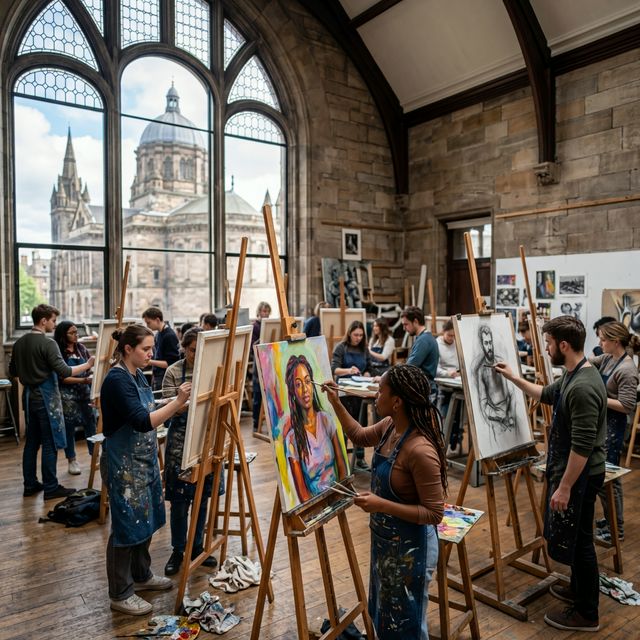
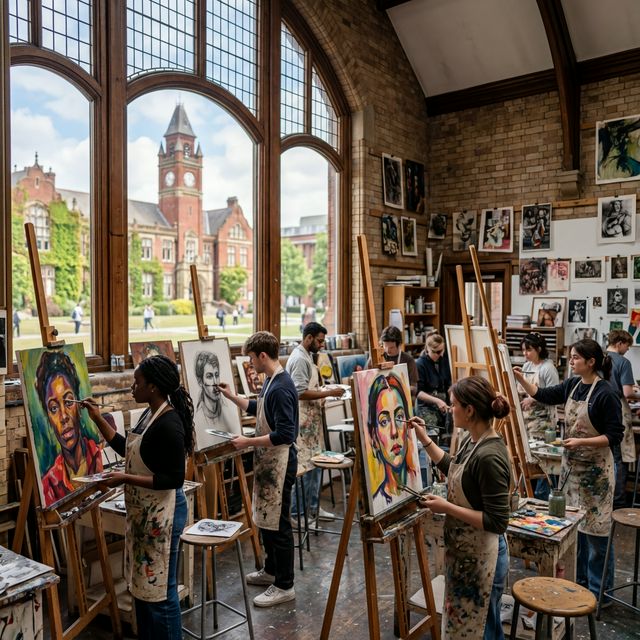
Textile design is a discipline that connects material culture, craft traditions, and contemporary visual art with the demands of industry, fashion, and interior design. It encompasses everything from woven and printed fabric to digital textile production, sustainable material innovation, and conceptual textile art. The field asks practitioners to understand structure and process at a physical level while also thinking rigorously about aesthetics, function, cultural meaning, and the environmental impact of what they make. This four-year full-time programme at Loughborough University offers a broad and inclusive curriculum designed to develop versatile, multi-disciplinary textiles practitioners. You will explore a wide range of materials and processes, developing an understanding of how different techniques, from print and weave to knit and embellishment, shape both the properties and the expressive possibilities of textile work. Design methodologies are central, and you will learn to move between hand-craft and digital approaches, building a practice that is grounded in making as well as in idea-driven design thinking. A year abroad is built into the programme, giving you the opportunity to study in an international context and encounter different traditions and industries in textile design. With a typical entry tariff of 168 points, this is a competitive programme that attracts students with strong creative portfolios and intellectual curiosity about materials. Textile design graduates work across a remarkable range of fields. Fashion and apparel design, surface pattern design for wallcoverings and furnishings, and technical textiles for performance and medical applications are all well-established routes. Many graduates work as print or weave designers for studios supplying the fashion industry, or develop independent practices as textile artists and makers. Others move into product design, interior design, brand identity, and trend forecasting. Roles in the sustainability and materials innovation sector are growing as the industry seeks designers who understand the environmental implications of textile production. Postgraduate study in textile art, design for industry, or fashion design is also a well-trodden path for those who want to specialise further or build a research practice.
Syllabus & Modules
Typical curriculumStudent Satisfaction
National Student Survey - 40 respondents (87% response rate)
Similarly Ranked Alternatives
What comes next? 🎓
Choosing the right university starts with choosing the right school. Explore transparent, data-driven school profiles powered by official DfE statistics.
Explore Schools on WhatSchool.ai →