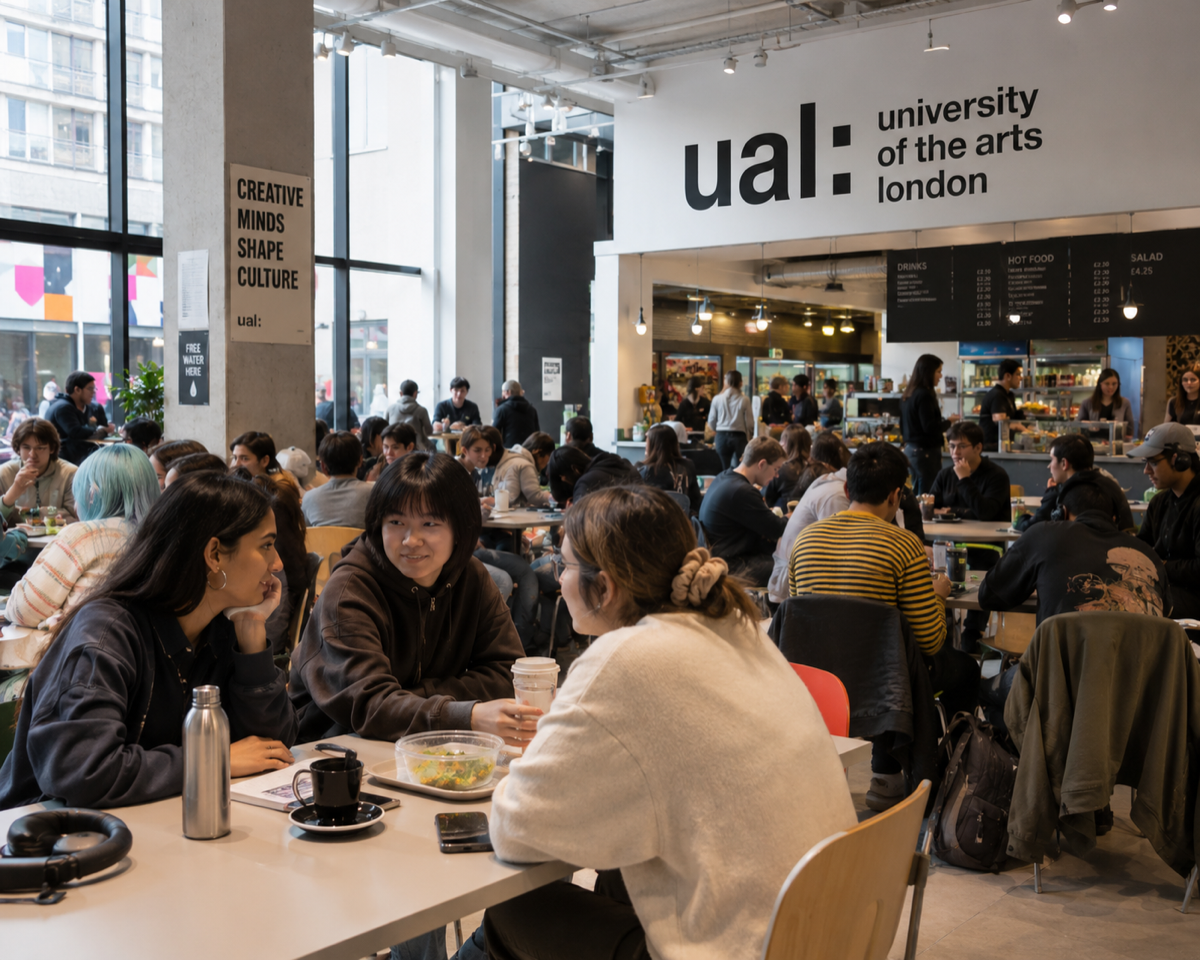
BA Textile Design
About this course
Textile design is the creative and technical practice of designing fabrics, patterns and surface treatments for fashion, interiors, industry and art. It encompasses the full range of techniques from woven, knitted and printed textiles through to embroidery, mixed media and digital textile design, and it demands both the ability to generate original visual and tactile ideas and the technical knowledge to realise those ideas in physical and digital form. Textiles are among the most fundamental and culturally rich human artefacts, and designers who work with fabric and surface are involved in everything from haute couture and home furnishing to automotive interiors, performance fabrics and contemporary art. At the University of the Arts London, this three-year full-time degree places you within one of the world's most respected art and design education environments. You will develop your design practice across a range of textile techniques, exploring colour, pattern, structure, texture and material in both analogue and digital contexts. You will build an understanding of the textile industry, including its complex global supply chains and the growing imperative to design for sustainability. The programme includes a sandwich year with work placement opportunities, giving you the chance to gain professional experience in a textile or design company and to understand how creative practice operates within commercial constraints. Typical entry is around 136 UCAS tariff points. Graduates from textile design programmes move into careers as surface pattern designers, woven or knit fabric designers, print designers, textile artists, fashion textile designers, product developers and consultants. Many work in fashion, interiors, craft, art and design for industry, and some develop their own independent practice. The UAL network and the quality of the portfolio developed during the degree open doors across the global creative industries. Further study at masters level in textile design, fashion, materials research or related disciplines is available for those who wish to develop specialist expertise.
Syllabus & Modules
Typical curriculumStudent Satisfaction
National Student Survey - 1910 respondents (80% response rate)
Similarly Ranked Alternatives


What comes next? 🎓
Choosing the right university starts with choosing the right school. Explore transparent, data-driven school profiles powered by official DfE statistics.
Explore Schools on WhatSchool.ai →