BSc Zoology with Ornithology
About this course
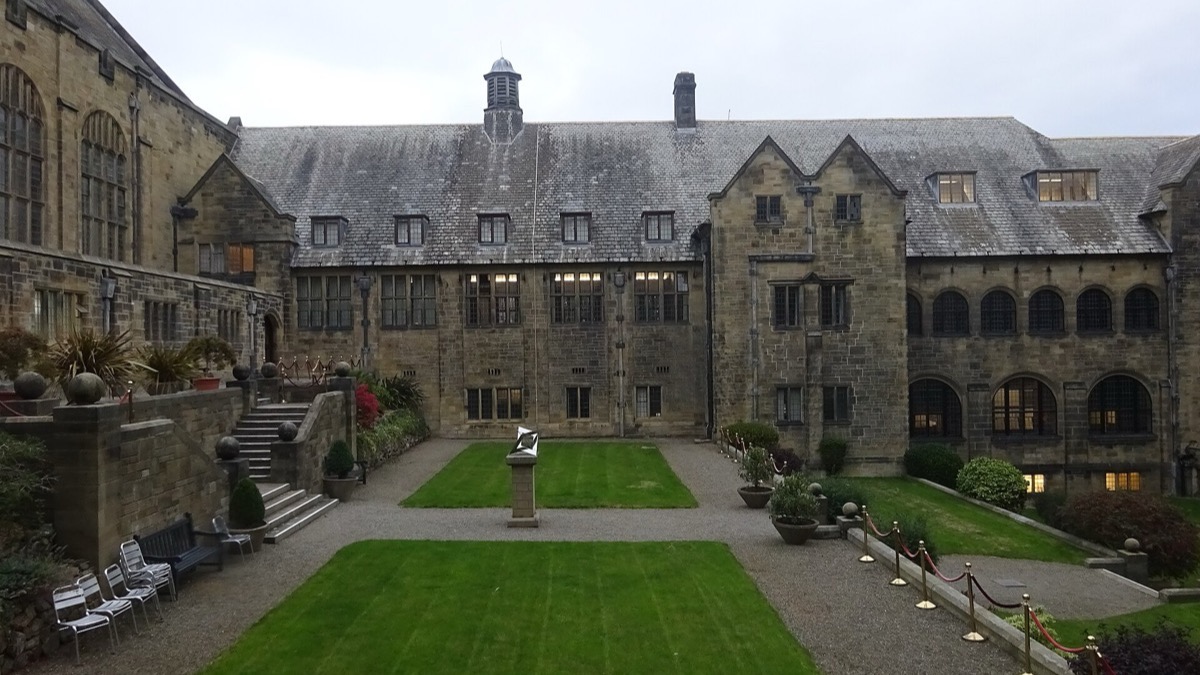
Zoology with ornithology combines the scientific study of animal biology with a focused specialisation in birds, one of the most species-rich and ecologically significant groups of vertebrates on Earth. Ornithology has historically been a driver of major biological discoveries, from Darwin's finches to the study of animal navigation and migration, and birds remain among the most important indicators of environmental health in ecosystems worldwide. At Bangor University, the BSc Zoology with Ornithology is a three-year full-time programme that includes a foundation year for students who need additional preparation, a sandwich year in a professional context, a year abroad, and work placement opportunities, making it one of the most experientially rich degree structures available in the biological sciences. The zoology foundation of the programme covers animal diversity, evolutionary biology, ecology, physiology, behaviour, and genetics, developing a rigorous scientific understanding of how animals function, how they evolved, and how they interact with each other and their environments. The ornithology specialism gives you depth in avian biology: bird identification and survey methods, migration ecology, breeding biology, the conservation biology of threatened species, and the use of bird populations as environmental indicators. Field skills are central to the programme, and Bangor's location in North Wales provides exceptional access to upland, coastal, and marine habitats. The sandwich year and year abroad allow you to gain experience in ecological research or conservation work in different environmental and institutional contexts. Graduates of zoology and ornithology programmes work in conservation biology, ecological consultancy, wildlife management, environmental assessment, ornithological research, and the voluntary conservation sector. Roles in conservation charities, statutory agencies such as Natural England and Natural Resources Wales, ecological survey companies, national parks, and international conservation organisations are all accessible to graduates with this training. Some graduates pursue careers in environmental education, science writing, or wildlife film-making. Many go on to postgraduate study in ecology, conservation biology, or ornithology, particularly if they wish to pursue research or senior conservation roles. The combination of field skills, scientific rigour, and professional experience the programme develops is a strong foundation for a career in the natural environment sector.
Syllabus & Modules
Typical curriculumStudent Satisfaction
National Student Survey - 10 respondents (55% response rate)
Similarly Ranked Alternatives


What comes next? 🎓
Choosing the right university starts with choosing the right school. Explore transparent, data-driven school profiles powered by official DfE statistics.
Explore Schools on WhatSchool.ai →