BA Business Economics with a Year in Industry
About this course
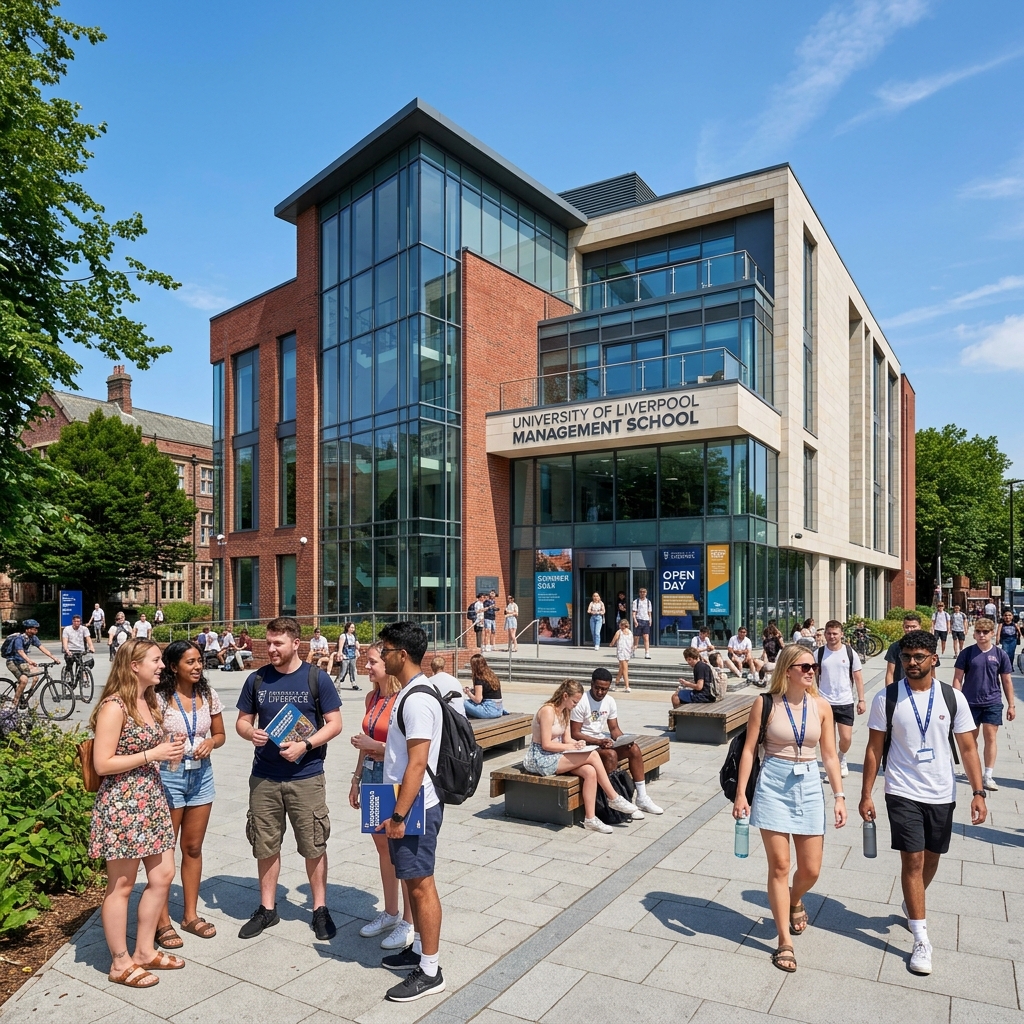
Business economics occupies a distinctive position between the formal rigour of economic analysis and the applied, decision-focused world of business management. Where pure economics asks broad questions about markets, incentives and resource allocation, business economics brings these tools to bear directly on the choices that firms and organisations face: how to price products, how to assess investment decisions, how to understand competitive dynamics and how to manage costs and revenues. It is a discipline that equips you to think like an economist while engaging with the practical realities of commercial life. At the University of Liverpool, this four-year full-time programme includes a year in industry, a structured period in which you work for an employer and apply your academic knowledge in a real professional environment. This industrial experience is built into the degree and provides significant advantages when you graduate, giving you not just theoretical understanding but demonstrated professional capability and workplace exposure. You will study microeconomic and macroeconomic principles, quantitative methods, business strategy, financial economics and the economics of labour markets and industrial organisation, developing both analytical rigour and commercial awareness. Graduates from business economics programmes are sought after in a wide range of sectors. Financial services, management consultancy, economic analysis, government policy, corporate strategy and business development all recruit actively from this discipline. The combination of economic thinking and business awareness is particularly valued in roles that require both technical analysis and practical decision-making. The year in industry strengthens your graduate prospects further, with many students finding that their employer relationships from that placement support their early career. Postgraduate study in economics, finance, management or data science provides a route for those who wish to develop specialist expertise.
Syllabus & Modules
Typical curriculumStudent Satisfaction
National Student Survey - 30 respondents (74% response rate)
Similarly Ranked Alternatives


What comes next? 🎓
Choosing the right university starts with choosing the right school. Explore transparent, data-driven school profiles powered by official DfE statistics.
Explore Schools on WhatSchool.ai →