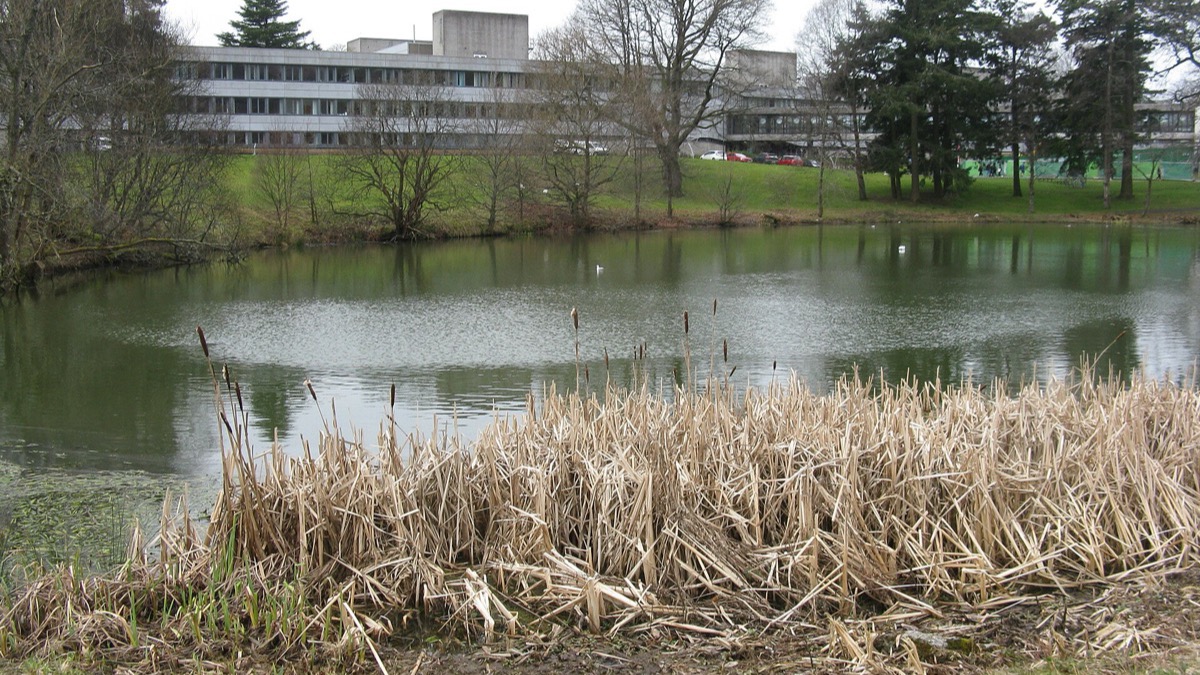
BA Business Studies and Economics
About this course
Economics and business studies are natural intellectual companions. Economics provides the theoretical frameworks for understanding how markets, governments and incentives interact at every scale, while business studies grounds that thinking in the practical realities of organisations: strategy, finance, marketing, operations and leadership. Studying them together gives you a way of reading the commercial world that is both analytically sharp and practically grounded. At the University of Stirling you will follow a four-year full-time programme with the opportunity to spend a year abroad, which is a significant feature of the degree and one that adds genuine depth to both your academic experience and your personal development. Stirling's international outlook means the year abroad is properly integrated into the degree, allowing you to study at a partner institution, experience a different educational culture, and develop or deepen language skills. The additional year means you graduate with richer perspectives on how business and economic systems vary across national contexts. Throughout the programme you will study how economies are organised and how businesses within them make decisions. Economic analysis will take you from microeconomic theory through macroeconomic policy, international trade and finance, while the business strand develops skills in accounting, management, entrepreneurship and strategic thinking. Quantitative methods, data literacy and communication skills run through both disciplines, and you will engage with real-world cases alongside theoretical models. Graduates from combined economics and business programmes are well prepared for careers in banking, finance, consulting, public policy, international trade, and general management across private and public sectors. Many go on to study for postgraduate qualifications including master's degrees in economics, business, finance or public policy, and some pursue chartered accountancy or finance professional routes that build directly on the analytical foundations the degree provides.
Syllabus & Modules
Typical curriculumStudent Satisfaction
National Student Survey - 35 respondents (94% response rate)
Similarly Ranked Alternatives


What comes next? 🎓
Choosing the right university starts with choosing the right school. Explore transparent, data-driven school profiles powered by official DfE statistics.
Explore Schools on WhatSchool.ai →