High Drop-out Rate Alert
40% of students drop out or transfer from this specific course. Consider asking why on an open day.
BA Chinese and Linguistics
About this course
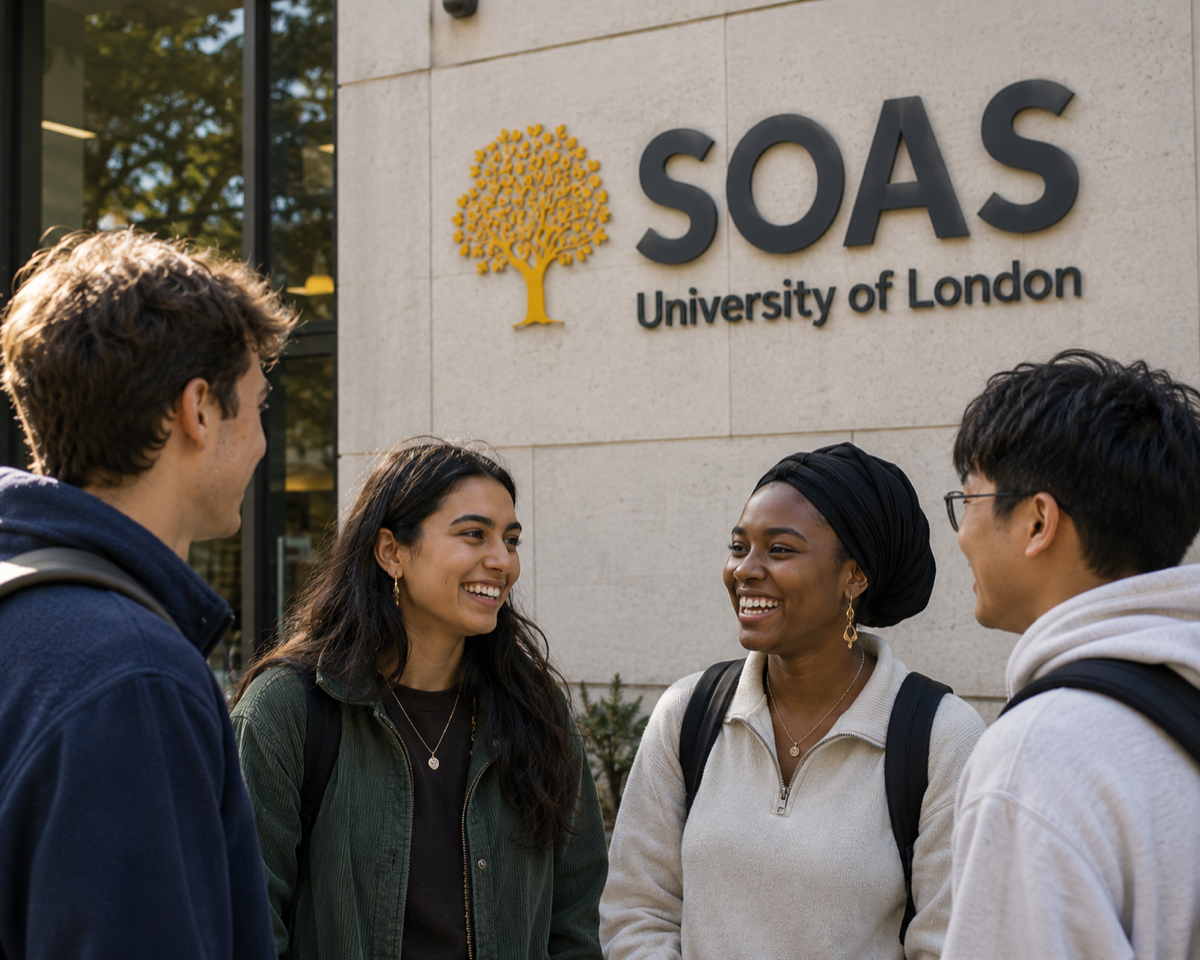
Chinese and Linguistics is a pairing that offers both deep cultural access and profound intellectual insight into how language itself works. Mandarin Chinese is one of the world's most widely spoken languages and the key to engagement with China's literature, history, philosophy, and contemporary society, as well as a significant asset in an economy where China's global role continues to grow. Linguistics, meanwhile, is the scientific study of language as a human phenomenon, asking how languages are structured, how they vary across communities, how they change over time, and how they are acquired and processed by the mind. At the School of Oriental and African Studies, this four-year full-time degree develops both with the depth and seriousness that SOAS's unique specialist focus enables. You will study Mandarin Chinese systematically, building proficiency in speaking, listening, reading, and writing, alongside courses that engage with Chinese literature, culture, and history. The linguistics strand develops your understanding of phonology, morphology, syntax, semantics, and pragmatics, and you will have the opportunity to apply linguistic analysis to Chinese and to draw comparisons across the world's languages. SOAS's particular strength in Asian and African languages and cultures means that your study of Chinese is embedded in an unusually rich comparative and scholarly environment. A foundation year is available for students who need to build their preparation before the main degree. The typical entry tariff is 120 UCAS points. Graduates with expertise in Chinese and linguistics find careers in translation and interpreting, journalism, diplomacy, international business, language teaching, and academic research. SOAS's reputation in the study of non-Western languages and cultures is distinctive and internationally recognised, and graduates benefit from alumni networks that span cultural, governmental, and commercial organisations with interests in Asia and beyond. Many graduates continue to postgraduate study in linguistics, Chinese studies, translation, or related fields.
Syllabus & Modules
Typical curriculumStudent Satisfaction
National Student Survey - 10 respondents (77% response rate)
Similarly Ranked Alternatives



What comes next? 🎓
Choosing the right university starts with choosing the right school. Explore transparent, data-driven school profiles powered by official DfE statistics.
Explore Schools on WhatSchool.ai →