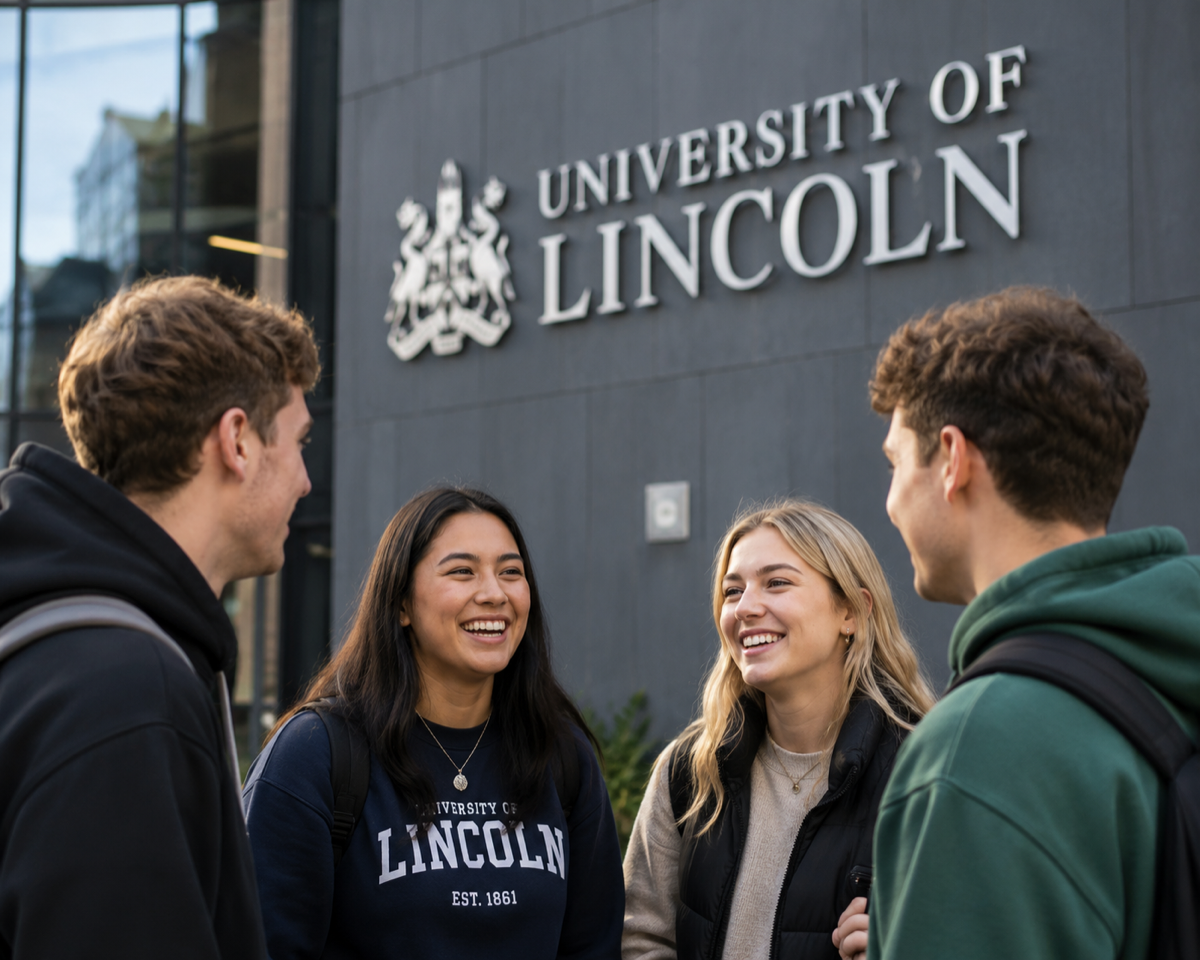
BA Criminology and Sociology
About this course
Criminology and sociology are disciplines that illuminate each other. Criminology asks why certain behaviours are defined as criminal, how crime is distributed across society and whether the institutions of criminal justice achieve what they claim. Sociology provides the broader theoretical framework, examining how power, inequality, class, race, gender and social institutions shape the conditions in which crime occurs and the responses it generates. Studied together at the University of Lincoln, they develop a critical and grounded understanding of some of the most contentious issues in contemporary public life. You will engage with the major sociological theories from classical thinkers to contemporary debates, and with criminological perspectives spanning offending behaviour, victimology, policing, sentencing, punishment and rehabilitation. Research methods, both quantitative and qualitative, are a core component of the programme, giving you the skills to work critically with evidence and to produce your own research. The programme includes a sandwich year, giving you a substantial period of professional experience in a relevant organisation, as well as work placements and a year abroad, all of which develop your professional capability and expand your understanding of how justice systems and social structures operate in different contexts. Graduates work across the criminal justice system and the wider public and voluntary sectors. Probation, prison service, victim support, youth offending teams and the police are among the criminal justice destinations. Social work, housing, community development and the charity sector draw graduates who want to work directly with people facing social disadvantage. Policy analysis, advocacy, research roles and journalism focused on social affairs are further options. Many graduates go on to postgraduate study in criminology, social policy, social work, law or sociology, using the undergraduate programme as the foundation for more specialist training or research.
Syllabus & Modules
Typical curriculumStudent Satisfaction
National Student Survey - 25 respondents (77% response rate)
Similarly Ranked Alternatives



What comes next? 🎓
Choosing the right university starts with choosing the right school. Explore transparent, data-driven school profiles powered by official DfE statistics.
Explore Schools on WhatSchool.ai →