BSc Ecology and Conservation
About this course
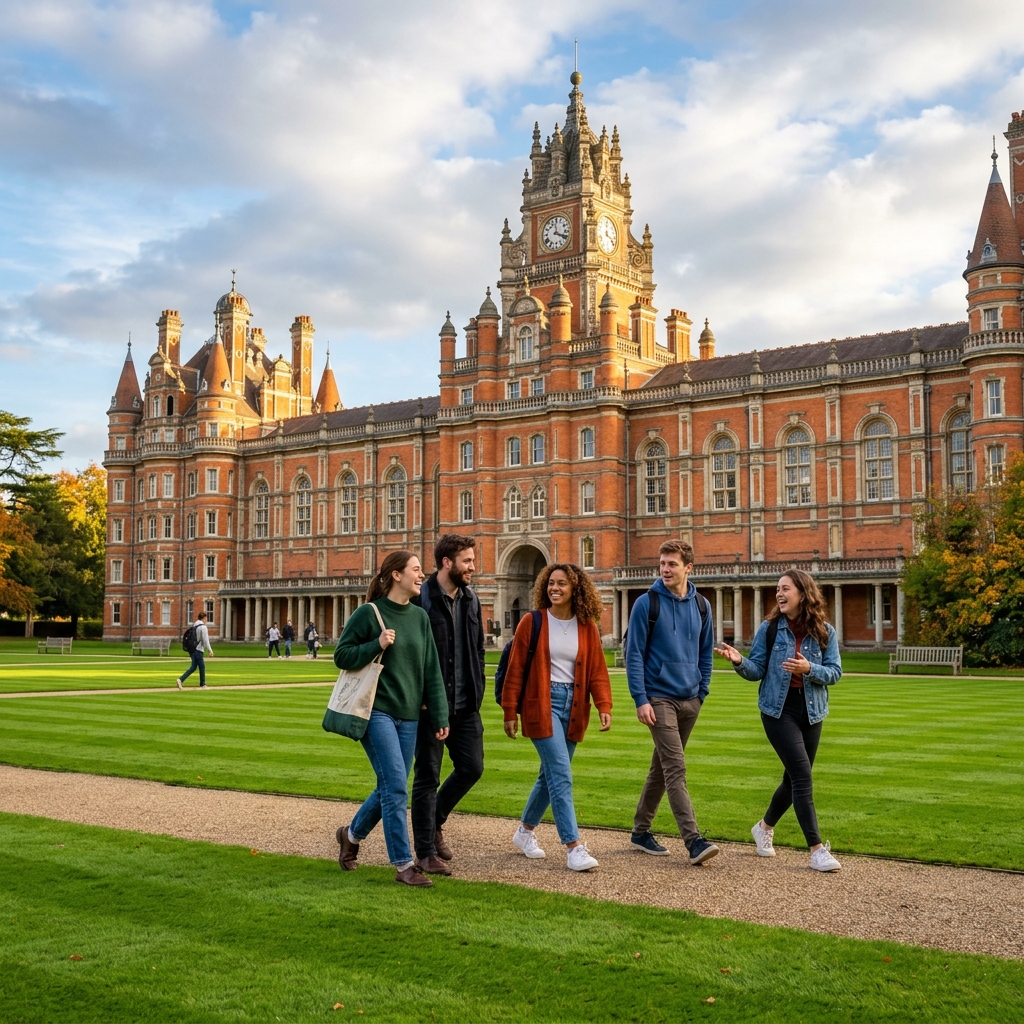
Ecology and conservation address questions that have become increasingly urgent as the biodiversity crisis deepens and the effects of climate change become more apparent. Ecology is the study of how organisms interact with each other and with their physical environments, asking how populations are regulated, how communities are assembled, and how energy and nutrients flow through ecosystems. Conservation biology applies this ecological understanding to the practical challenge of protecting species, habitats, and the services that natural systems provide to human wellbeing. At Royal Holloway and Bedford New College, this three-year full-time programme allows you to explore how plants and animals interact with each other and the wider environment, gaining a deeper understanding of ecological thinking so you are ready to tackle challenges such as climate change and biodiversity loss. You will study population ecology, community dynamics, conservation genetics, habitat management, and the policy and social contexts within which conservation decisions are made. Field and laboratory skills are central throughout. The programme includes a sandwich year with a year abroad and work placement, giving you direct experience in conservation organisations, ecological research, or environmental management, as well as international field experience. Entry typically requires around 120 UCAS tariff points. Graduates work in conservation organisations, environmental consultancy, government agencies such as Natural England and the Environment Agency, national parks, wildlife trusts, research institutes, and international conservation bodies. The combination of ecological knowledge with field skills and quantitative methods is valued across a wide range of environmental careers. Many graduates also continue to postgraduate study in ecology, conservation biology, or environmental management.
Syllabus & Modules
Typical curriculumStudent Satisfaction
National Student Survey - 80 respondents (69% response rate)
Similarly Ranked Alternatives



What comes next? 🎓
Choosing the right university starts with choosing the right school. Explore transparent, data-driven school profiles powered by official DfE statistics.
Explore Schools on WhatSchool.ai →