High Drop-out Rate Alert
20% of students drop out or transfer from this specific course. Consider asking why on an open day.
BA Film Production
About this course
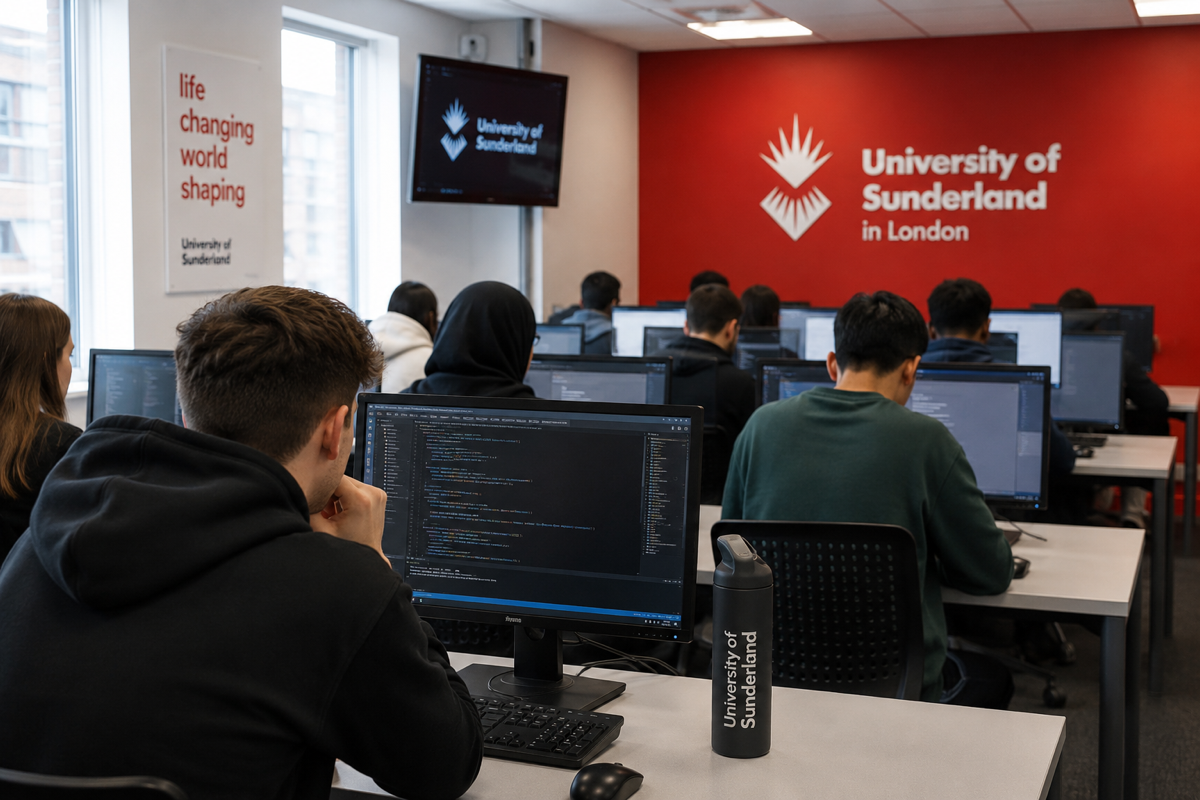
Film production is the craft and art of making films, encompassing everything from initial concept and script development through camera work, directing, editing and sound design to the finished work seen by an audience. It is a discipline that requires both technical competence and creative vision, because filmmaking is a collaborative medium where individuals must understand their own role precisely while also seeing how it relates to every other element of the production. Whether you are drawn to directing, cinematography, editing or documentary work, the skills you develop are ultimately about storytelling: how to use the tools of film to create meaning and move an audience. At the University of Sunderland, you will have the opportunity to direct short films and documentaries, work as a cinematographer or editor, and develop the hands-on production skills that the film and television industries demand. The programme runs for three years full time and includes a year abroad, giving you the chance to experience film culture and production practice in an international context. This broadens both your aesthetic sensibility and your professional awareness of how the industry operates across different national traditions. The typical entry tariff is 136 points. You will work with professional equipment and industry-standard software, developing technical fluency alongside creative judgement. Film production degrees are characterised by a strong emphasis on making: the best way to learn about cinema is to make films, respond to feedback and make more. The year abroad can take you into different cinematic traditions and production environments, enriching your understanding of what film can be. Graduates from film production programmes enter careers across the film and television industries, working in production companies, broadcasting, documentary making, commercial production, post-production and digital content creation. Some build careers in the creative industries more broadly, where visual storytelling skills are valued in advertising, games, animation and digital media. Others continue to postgraduate study in film practice or screen studies, or move into film education and community arts.
Syllabus & Modules
Typical curriculumStudent Satisfaction
National Student Survey - 15 respondents (78% response rate)
Similarly Ranked Alternatives



What comes next? 🎓
Choosing the right university starts with choosing the right school. Explore transparent, data-driven school profiles powered by official DfE statistics.
Explore Schools on WhatSchool.ai →