
High Drop-out Rate Alert
20% of students drop out or transfer from this specific course. Consider asking why on an open day.
BSc Forensic Chemistry
About this course
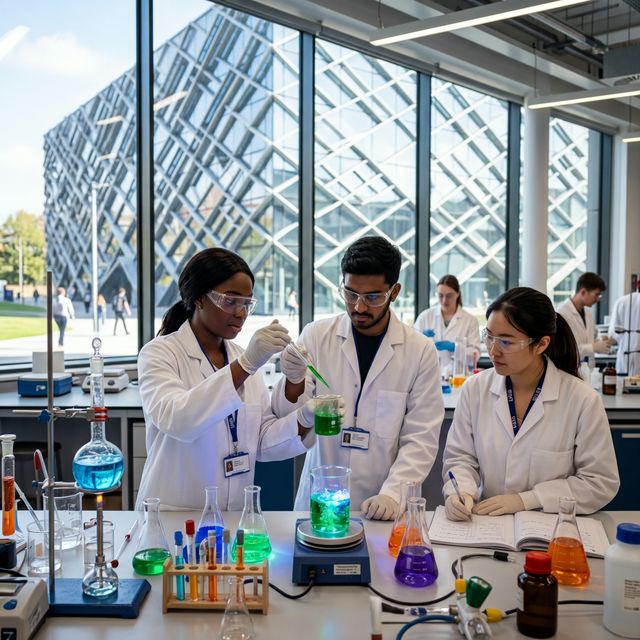
Forensic chemistry applies the principles and techniques of analytical chemistry to the investigation of crime and the resolution of legal disputes. Chemistry provides the scientific foundation, covering the properties of matter, the reactions that transform it and the analytical methods used to identify and quantify substances. In forensic contexts, these tools are applied to the identification of drugs, explosives, fibres, paints, glass, toxins and other materials, the analysis of blood and biological samples, and the reconstruction of events from physical and chemical evidence. The discipline requires both rigorous laboratory science and a clear understanding of how evidence is gathered, interpreted and presented in legal proceedings. At the University of Keele, this three-year full-time BSc develops core chemistry principles alongside the hands-on forensic analysis skills that professional practice in this field demands. You will work in state-of-the-art chemistry laboratories and authentic crime scene simulation settings, gaining practical experience in gathering, processing and evaluating forensic evidence. A placement year gives you direct professional experience in a relevant forensic or analytical chemistry context, a year abroad adds an international dimension to your formation, and work placement opportunities are integrated throughout the programme. Graduates of forensic chemistry programmes move into careers in forensic science, analytical chemistry, quality assurance, pharmaceutical analysis and environmental testing. Police forensic units, specialist forensic science providers, government laboratories, pharmaceutical companies and environmental agencies all employ analytical scientists. Many graduates pursue postgraduate study in forensic science, analytical chemistry or toxicology, where the technical expertise developed at undergraduate level supports more advanced specialist work. Some move into roles in research and development or in the regulatory and quality assurance functions of chemistry-dependent industries.
Syllabus & Modules
Typical curriculumStudent Satisfaction
National Student Survey - 25 respondents (87% response rate)
Similarly Ranked Alternatives



What comes next? 🎓
Choosing the right university starts with choosing the right school. Explore transparent, data-driven school profiles powered by official DfE statistics.
Explore Schools on WhatSchool.ai →