BSc Foundation to Occupational Therapy (Year 0)
About this course
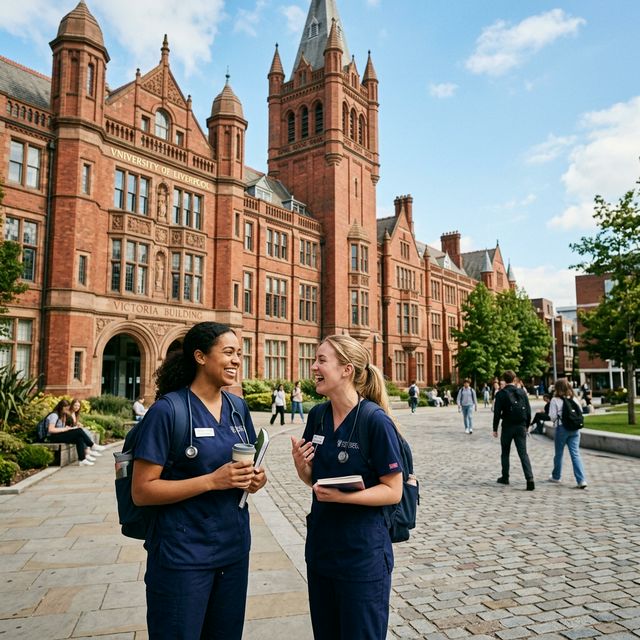
Occupational therapy is a healthcare profession concerned with enabling people to participate in the activities that matter to them, despite the challenges posed by illness, disability, mental health difficulties, or the effects of ageing. Occupational therapists work with people of all ages across a wide range of settings, from acute hospitals and community services to schools, prisons, and mental health teams, helping them to develop, recover, or maintain the practical abilities needed for everyday life. The profession combines clinical knowledge with a genuinely person-centred approach, making it one of the most rewarding and valued roles in the health and social care workforce. The University of Liverpool's four-year full-time programme includes a foundation year (Year 0) and a year abroad, providing both academic preparation for students who need it before entering the main degree and an international study experience that broadens professional perspective. The foundation year builds the scientific and academic foundations needed for occupational therapy training, ensuring you are thoroughly prepared for the clinical content that follows. You will study the theory and practice of occupational therapy, anatomy and physiology, health psychology, neuroscience, mental health, disability studies, research methods, and professional ethics, alongside supervised practice placements in a range of clinical settings. The year abroad provides the opportunity to study occupational therapy in an international context, enriching your understanding of how the profession operates across different health systems. Graduates from occupational therapy programmes are eligible to register with the Health and Care Professions Council and practise as qualified occupational therapists in the NHS, social care, private practice, education, and the third sector. The profession offers strong employment prospects and clear pathways for career development into specialist, advanced, or management roles. Some graduates continue to postgraduate study or research to develop specialist expertise in areas such as paediatrics, neurological rehabilitation, or mental health.
Syllabus & Modules
Typical curriculumStudent Satisfaction
National Student Survey - 40 respondents (89% response rate)
Similarly Ranked Alternatives


What comes next? 🎓
Choosing the right university starts with choosing the right school. Explore transparent, data-driven school profiles powered by official DfE statistics.
Explore Schools on WhatSchool.ai →