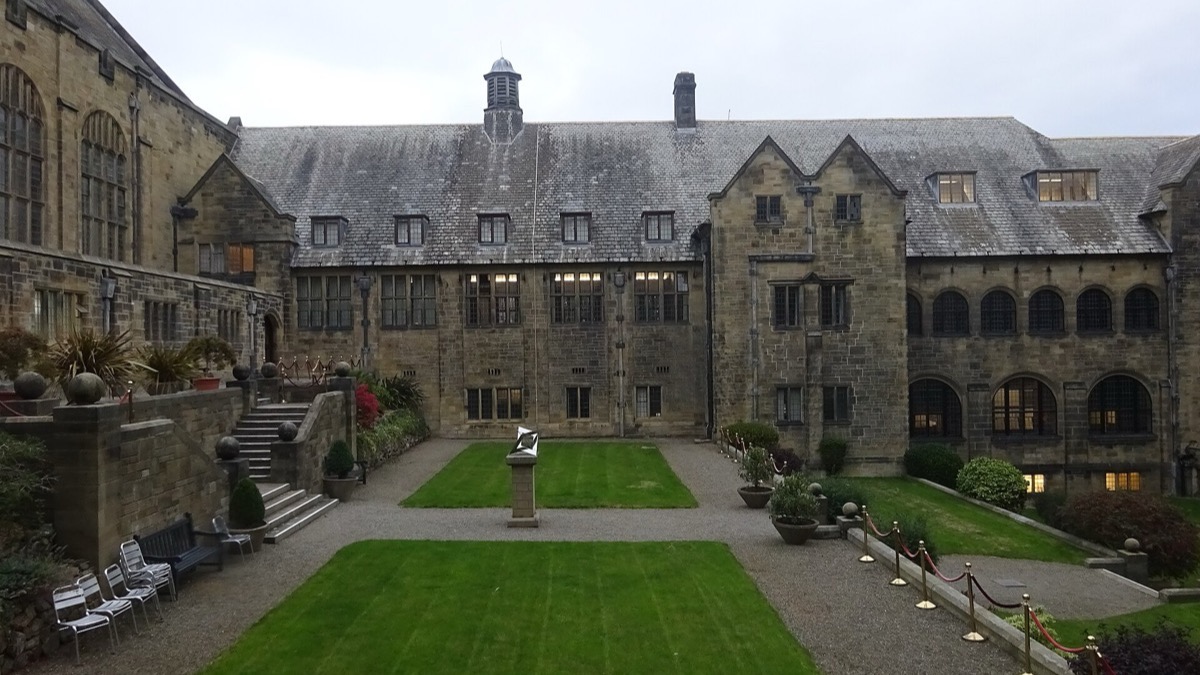
BA History and Archaeology
About this course
History and archaeology are natural disciplinary partners: both are concerned with understanding the human past, but they approach their subject through different but complementary types of evidence. History works primarily with written sources, using documents, chronicles, legal records, correspondence and testimony to reconstruct and interpret how people lived, how events unfolded, and how societies changed over time. Archaeology works with material remains, using objects, structures, environmental evidence and spatial patterns to recover aspects of the past that written sources may not capture, often reaching back into prehistoric periods that predate literacy entirely. Studied together, they produce a significantly richer picture of human experience across time. At Bangor University you will study history and archaeology over three years of full-time study, with a foundation year available as an extended entry route that builds academic foundations before the main degree programme begins. A sandwich year and the opportunity for a year abroad add substantial professional and international experience to your formation, and work placement is integrated into the programme. The typical tariff of 88 reflects a programme that is genuinely open to students from varied educational backgrounds who bring a real interest in the past and the commitment to engage with it seriously. Bangor's location in North Wales gives the programme particular access to the archaeological and historical richness of the region, from Neolithic landscapes and Roman sites to medieval castles and the records of Welsh cultural and political history. Graduates work in heritage, museums, archives, local government, the civil service, education, archaeology, historical research, publishing and the creative industries. Many pursue professional practice in field archaeology with commercial units or historic environment bodies. Others apply the analytical, research and writing skills developed through the degree to careers in a wide range of sectors. Postgraduate study in history, archaeology, heritage management or related fields is a common progression, and the combination of textual and material evidence skills is a genuinely distinctive graduate profile.
Syllabus & Modules
Typical curriculumStudent Satisfaction
National Student Survey - 10 respondents (71% response rate)
Similarly Ranked Alternatives


What comes next? 🎓
Choosing the right university starts with choosing the right school. Explore transparent, data-driven school profiles powered by official DfE statistics.
Explore Schools on WhatSchool.ai →