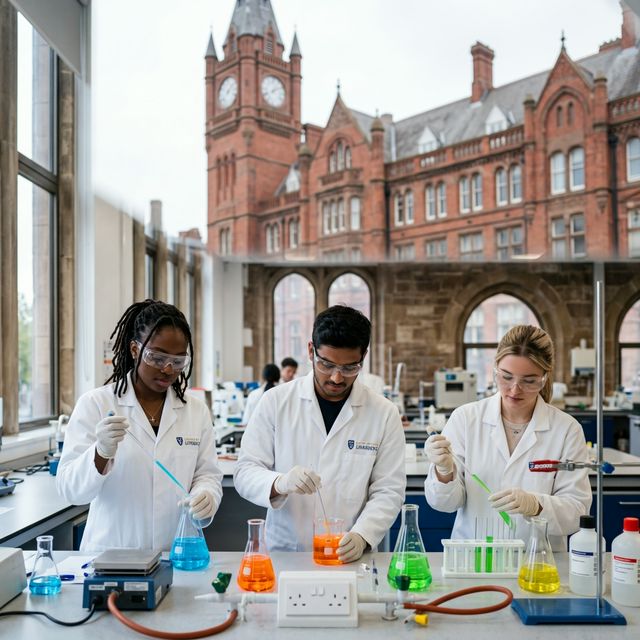
BA Human Geography and Sport & Physical Education
About this course
Human Geography and Sport and Physical Education brings together two disciplines that examine, from very different angles, the relationships between people, places, and physical activity. Human Geography asks how populations are distributed, how communities are shaped by their environments, how movement and migration work, and how people interact with urban, rural, and natural landscapes. Sport and Physical Education explores the role of physical activity in human development, the sociology and psychology of sport, and the principles of teaching and coaching across different age groups and abilities. Together the combination produces graduates with a distinctive analytical range. At Liverpool Hope University, this full-time programme runs over three years and includes a sandwich year and a year abroad, as well as work placement opportunities. The geography strand will lead you through topics such as tourism, urban environments, natural hazard management, and the ways that human activities shape and are shaped by place. You will consider how social, economic, and environmental forces intersect at different scales, from the local to the global. The sport and physical education strand develops your understanding of physical literacy, curriculum design, and the social dimensions of sporting participation, preparing you to engage both with the practical side of physical activity and with the wider policy and research questions that surround it. The year abroad deepens your cross-cultural awareness in ways that are particularly relevant to both disciplines, while placements and the sandwich year give you extended professional experience that translates academic learning into practical competence. Graduates from this combination are well placed for careers in teaching, coaching, sport development, community health, leisure management, and geographical research or planning. Many pursue postgraduate teacher training, while others move into public health, urban planning, environmental consultancy, or roles in the sport and recreation sector. The breadth of the degree opens doors across both the public and private sectors.
Syllabus & Modules
Typical curriculumStudent Satisfaction
National Student Survey - 85 respondents (82% response rate)
Similarly Ranked Alternatives
What comes next? 🎓
Choosing the right university starts with choosing the right school. Explore transparent, data-driven school profiles powered by official DfE statistics.
Explore Schools on WhatSchool.ai →