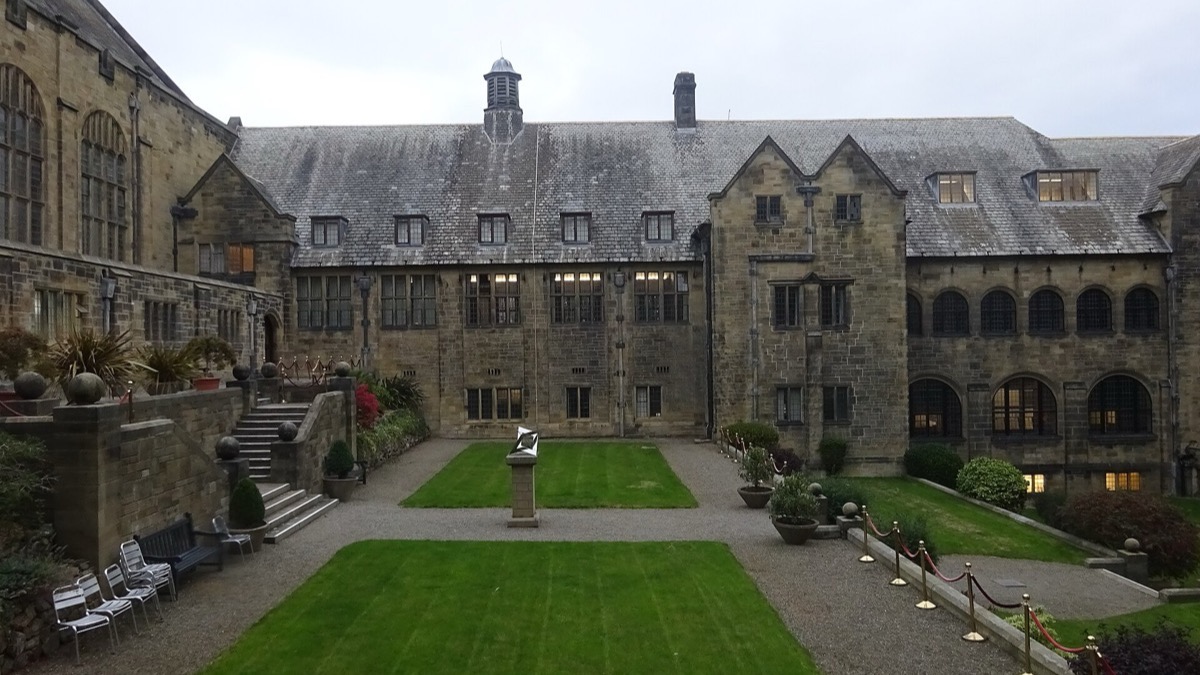
BSc Marine Vertebrate Conservation
About this course
Marine vertebrate conservation is a field concerned with understanding and protecting fish, marine mammals, seabirds, sea turtles, and other vertebrates that depend on ocean environments. Human activities including overfishing, habitat degradation, pollution, climate change, and shipping have placed many marine vertebrate populations under severe pressure, and the science and practice of conservation requires both deep biological knowledge and the ability to design and evaluate interventions in complex, dynamic systems. At Bangor University, which sits close to the coast of North Wales with direct access to marine field sites, this three-year full-time programme combines ecology, marine biology, conservation science, and fieldwork in ways that few institutions elsewhere in the UK can match. You will study vertebrate biology, population ecology, marine ecology, oceanography, and the policy and management frameworks that govern wildlife conservation at national and international levels. A foundation year is available for students who need additional preparation before the main degree begins. A sandwich year places you in a professional conservation, research, or government setting for an extended period, and a year abroad broadens your experience of marine environments and conservation challenges in a different part of the world. Work placement experience runs throughout the programme. Graduates pursue careers in marine conservation organisations, wildlife trusts, government agencies such as Natural England and Marine Scotland, international bodies concerned with fisheries and ocean governance, environmental consultancies, and research institutions. Fieldwork skills, data analysis, and scientific communication are all valued by these employers. Postgraduate study in marine biology, conservation science, ecology, and environmental management is a common progression, and many graduates who want to move into research or senior conservation roles pursue a Masters or doctoral degree.
Syllabus & Modules
Typical curriculumStudent Satisfaction
National Student Survey - 95 respondents (70% response rate)
Similarly Ranked Alternatives


What comes next? 🎓
Choosing the right university starts with choosing the right school. Explore transparent, data-driven school profiles powered by official DfE statistics.
Explore Schools on WhatSchool.ai →