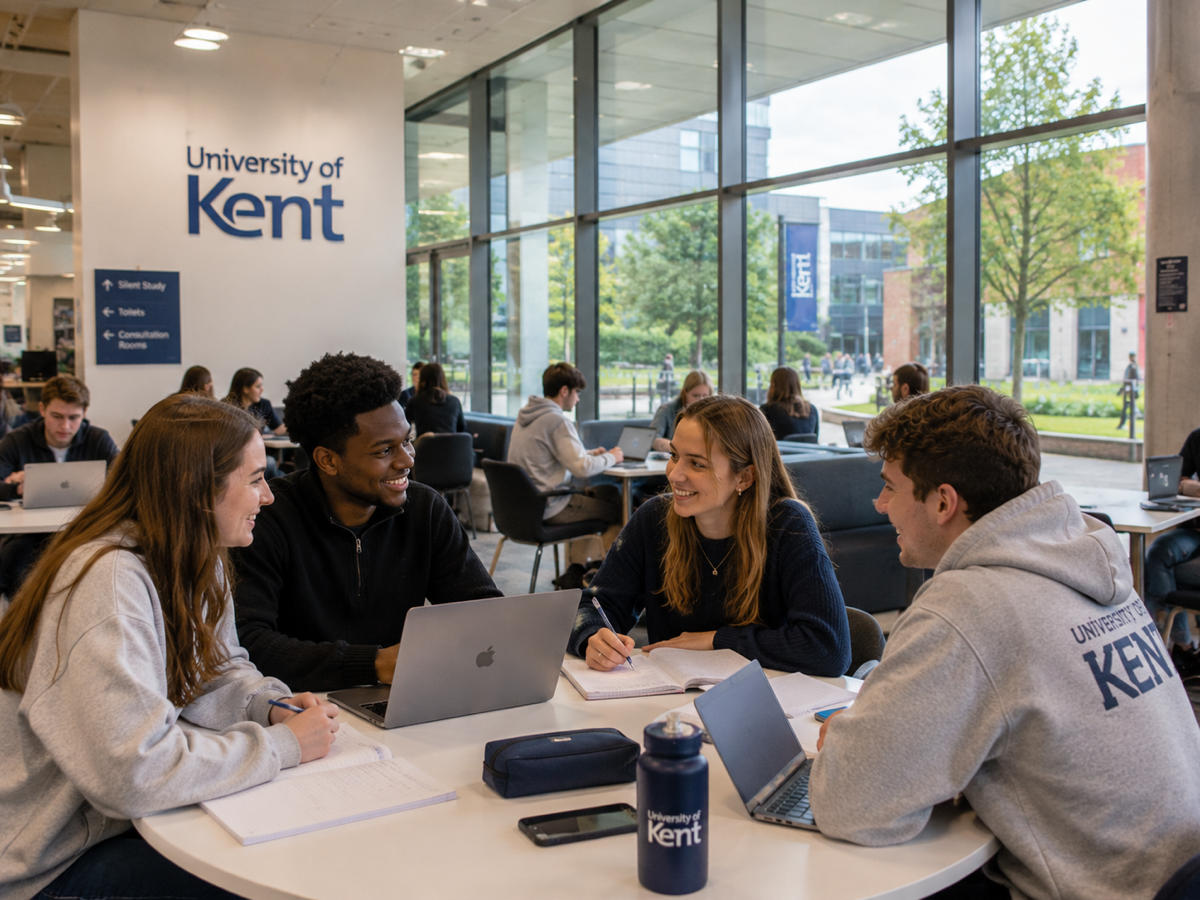
BA Modern Languages
About this course
Modern languages training does far more than teach you to speak another tongue. It opens access to literatures, histories, and ways of thinking that would otherwise remain closed, and it develops habits of mind, attention to nuance, precision in expression, and sensitivity to context, that are valuable in almost any professional or intellectual endeavour. A degree in modern languages takes you deep into the cultures that produce the languages you study, asking you to understand them from the inside rather than as an outsider looking in. At Kent you will achieve fluency in at least one language while gaining a thorough understanding of the cultural, social, and political contexts of the communities that speak it, and the connections between them. The programme engages with literature, film, history, and contemporary society in the languages you study, developing your ability to read, write, and think critically in more than one linguistic register. Language classes develop your speaking, listening, reading, and writing skills to a high level, while seminars in literature and culture develop your analytical and interpretive abilities. Over three years of full-time study you will move from foundational competence to genuine sophistication in your chosen language or languages, building a depth of engagement that goes well beyond the merely functional. The discipline trains you to pay close attention to how meaning is made and how context shapes interpretation, skills that are transferable across a very wide range of professional and academic contexts. Writing clearly and arguing carefully are central to everything you do in the programme. Graduates from modern languages work in an enormous range of fields, including diplomacy and international relations, business, law, publishing, translation and interpreting, education, the civil service, journalism, and the cultural industries. The combination of linguistic skill, cultural knowledge, and analytical rigour that the degree develops is genuinely attractive to employers across sectors. Postgraduate study in linguistics, translation, literature, or international relations is also a well-trodden path.
Syllabus & Modules
Typical curriculumStudent Satisfaction
National Student Survey - 30 respondents (94% response rate)
Similarly Ranked Alternatives


What comes next? 🎓
Choosing the right university starts with choosing the right school. Explore transparent, data-driven school profiles powered by official DfE statistics.
Explore Schools on WhatSchool.ai →