BSc Physical Geography
About this course
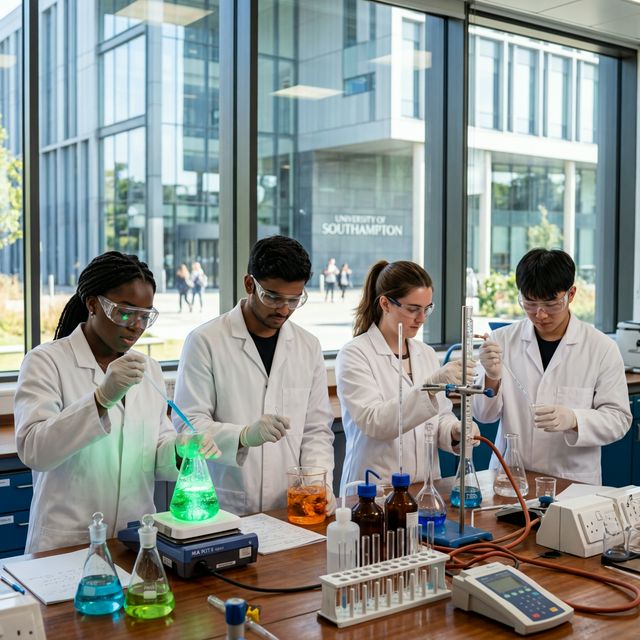
Physical geography is the science of the Earth's natural systems, the processes that shape landscapes, drive climates, move water through river systems, and govern the behaviour of soils, glaciers, and oceans. It is a genuinely interdisciplinary subject, drawing on geology, ecology, hydrology, climatology, and data science, and it is increasingly central to some of the most urgent challenges humanity faces, from flood risk and coastal erosion to biodiversity loss and long-term climate change. At the University of Southampton, this three-year full-time programme gives you a rigorous scientific grounding from the outset. You will study specialist scientific subjects including ecology and geology, exploring diverse physical environments and social conditions to understand current and future sustainability challenges. You will learn how to collect and analyse geographical data, interpret satellite images, and use quantitative methods to make sense of a dynamic and changeable world. Southampton's location in the south of England provides access to a range of field environments, and the University has strong research links with national and international bodies concerned with environmental science and sustainability. Throughout the programme you will build competence in fieldwork, laboratory analysis, geographic information systems, and numerical modelling. These practical skills sit alongside theoretical understanding of the processes governing the physical environment, giving you the ability to move between conceptual frameworks and real-world data with confidence. A typical entry tariff of 136 points reflects a programme that expects strong prior attainment in sciences and geography. Physical geography graduates work in environmental consultancy, flood risk management, conservation, planning, climate adaptation, and resource management. Many find roles with government agencies concerned with the natural environment, as well as in the energy, water, and infrastructure sectors. The quantitative and data skills developed through the degree are also valued in technology, finance, and research organisations. Postgraduate study in environmental science, hydrology, remote sensing, or sustainability is a natural next step for those wishing to specialise further or pursue research careers.
Syllabus & Modules
Typical curriculumStudent Satisfaction
National Student Survey - 90 respondents (73% response rate)
Similarly Ranked Alternatives


What comes next? 🎓
Choosing the right university starts with choosing the right school. Explore transparent, data-driven school profiles powered by official DfE statistics.
Explore Schools on WhatSchool.ai →