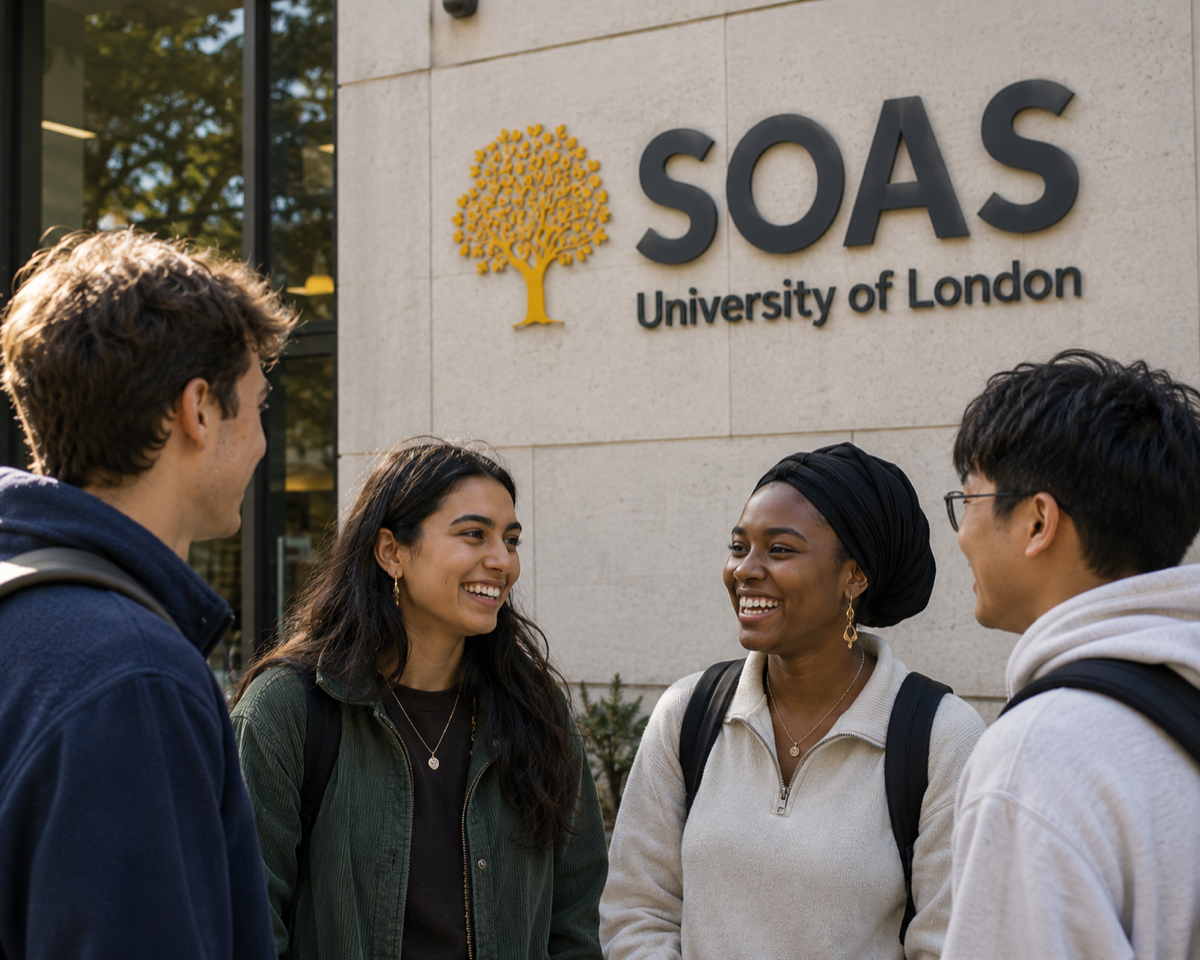
BA Social Anthropology and Global Development
About this course
Social anthropology and global development is a combination that addresses the relationship between understanding human societies and working to improve them. Social anthropology provides the conceptual and methodological tools to study the diversity of human cultures, social structures, and belief systems, insisting on depth, empathy, and rigour in place of surface description. Global development brings a policy and applied dimension, examining how development interventions are designed, implemented, and evaluated, and critically interrogating the assumptions about progress and wellbeing that underlie them. At the School of Oriental and African Studies in London, which has one of the world's strongest concentrations of expertise in the cultures, histories, and politics of the Global South, this three-year full-time programme benefits from a depth of specialist knowledge that very few institutions can match. A foundation year is available for those who need additional preparation before entering the main degree. You will engage with ethnographic fieldwork traditions, social theory, and the detailed study of specific societies and regions alongside development theory, practice, and policy, developing a critical and grounded understanding of how people live in the global South and how development interventions affect them. The typical entry tariff of 120 points reflects the foundation year access route. You will develop rigorous research skills, cross-cultural sensitivity, the ability to think critically about power and inequality, and a thorough engagement with the ethics and politics of development practice. Graduates pursue careers in international development organisations, NGOs, the civil service, research, policy analysis, journalism, and the charitable sector. Postgraduate study in social anthropology, development studies, or related social sciences is a natural and common continuation.
Syllabus & Modules
Typical curriculumStudent Satisfaction
National Student Survey - 45 respondents (74% response rate)
Similarly Ranked Alternatives

What comes next? 🎓
Choosing the right university starts with choosing the right school. Explore transparent, data-driven school profiles powered by official DfE statistics.
Explore Schools on WhatSchool.ai →