High Drop-out Rate Alert
25% of students drop out or transfer from this specific course. Consider asking why on an open day.
BSc Sport and Exercise Science
About this course
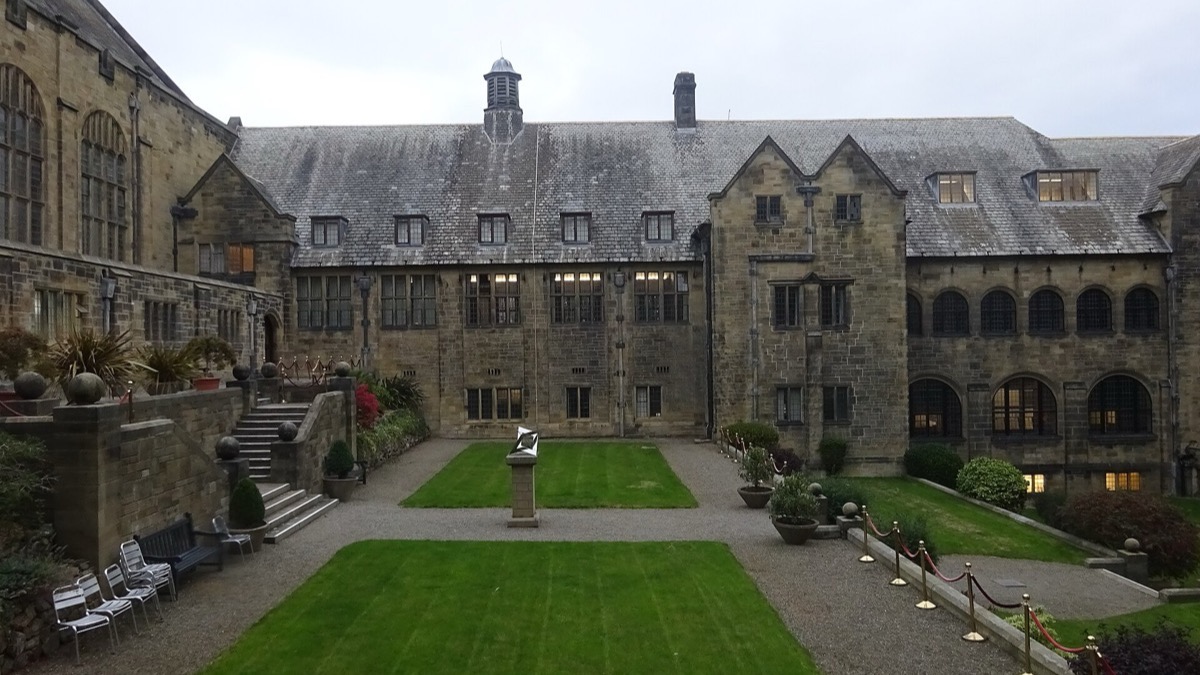
Sport and exercise science applies the principles of biology, physiology, biomechanics, and psychology to the understanding of human movement, athletic performance, and physical activity for health. It is a discipline that sits at the intersection of laboratory science and real-world application, concerned equally with how elite athletes perform and how physical activity benefits people across the life course. Studying it develops both a rigorous scientific foundation and the practical skills to apply that knowledge in coaching, health promotion, rehabilitation, and research settings. At Bangor University, this four-year full-time programme gives you a thorough grounding in the scientific disciplines that underpin sport and exercise, including exercise physiology, sports biomechanics, motor learning, and sport psychology. Bangor's location in North Wales offers exceptional opportunities for outdoor and environmental applications of the subject, and the university's research culture ensures that your learning is connected to current scientific work. The programme includes a sandwich year giving you extended professional experience in a relevant setting, a year abroad at an international partner institution, and opportunities for work placement. These elements give you a distinctive profile by the time you graduate, with practical experience across different professional and cultural contexts. Typical entry requires around 120 tariff points. Graduates of sport and exercise science work across a broad range of fields. Performance analysis, strength and conditioning coaching, exercise physiology support in clinical or sporting contexts, sport development, physical education teaching, and health promotion are all common career routes. Many graduates also enter roles in sport management, research, or the growing fitness and wellness industry. Those who wish to specialise further can pursue postgraduate study in areas such as sports medicine, physiotherapy, coaching science, or public health, with professional registration pathways available in some of these fields.
Syllabus & Modules
Typical curriculumStudent Satisfaction
National Student Survey - 35 respondents (73% response rate)
Similarly Ranked Alternatives


What comes next? 🎓
Choosing the right university starts with choosing the right school. Explore transparent, data-driven school profiles powered by official DfE statistics.
Explore Schools on WhatSchool.ai →