High Drop-out Rate Alert
16% of students drop out or transfer from this specific course. Consider asking why on an open day.
BSc Sport and Exercise Science
About this course
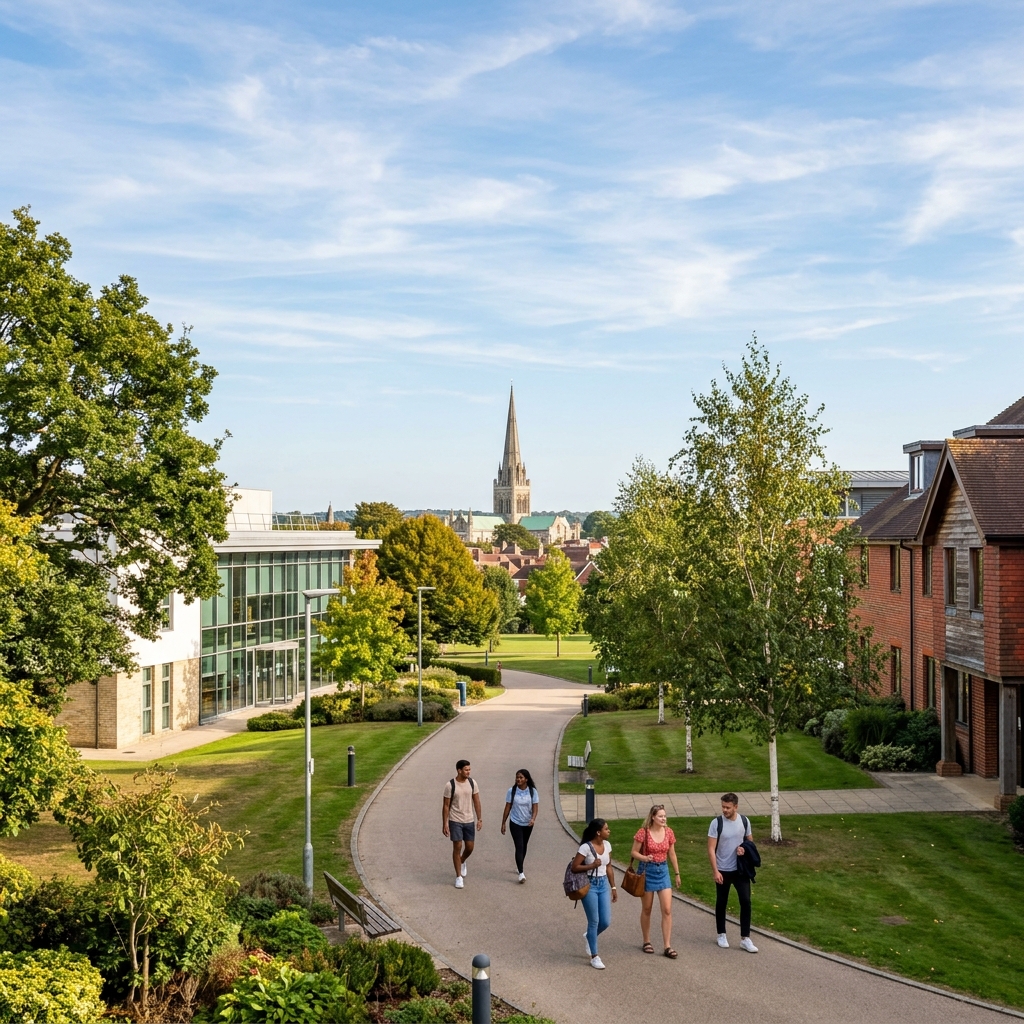
Sport and exercise science applies the principles and methods of physiology, psychology, and biomechanics to understanding how the human body responds to physical activity and how those responses can be optimised for performance, health, and wellbeing. The discipline has grown enormously as the evidence base for exercise's effects on physical and mental health has expanded and as the demands placed on athletes and coaches by elite sport have become more sophisticated. Whether the goal is maximising athletic performance, supporting clinical rehabilitation, or designing physical activity programmes for the general population, sport and exercise scientists provide the scientific rigour that makes those interventions effective. At the University of Chichester, this three-year full-time programme gives you the scientific theory and practical skills required to support individuals and teams towards achieving their optimal performance in sport, occupational, and health settings. You will study exercise physiology, sport psychology, biomechanics, nutrition, and research methods, developing both the theoretical understanding and the practical capabilities that professional roles demand. The programme builds your ability to assess, design, and implement exercise and performance programmes, and to evaluate their effectiveness through rigorous measurement and analysis. You will develop strong scientific literacy alongside the communication and interpersonal skills needed to work effectively with athletes, coaches, patients, and clients across a variety of settings. Practical work, including laboratory-based assessments and field experience, is central to the degree throughout. Graduates go on to work as sport scientists, strength and conditioning coaches, exercise physiologists, health and fitness professionals, and performance analysts in professional sport, national governing bodies, NHS and healthcare settings, local authorities, and the corporate wellbeing sector. Many pursue further professional qualifications or postgraduate study in sport science, physiotherapy, strength and conditioning, or public health.
Syllabus & Modules
Typical curriculumStudent Satisfaction
National Student Survey - 20 respondents (65% response rate)
Similarly Ranked Alternatives
What comes next? 🎓
Choosing the right university starts with choosing the right school. Explore transparent, data-driven school profiles powered by official DfE statistics.
Explore Schools on WhatSchool.ai →