High Drop-out Rate Alert
20% of students drop out or transfer from this specific course. Consider asking why on an open day.
BSc Sports Therapy and Rehabilitation
About this course
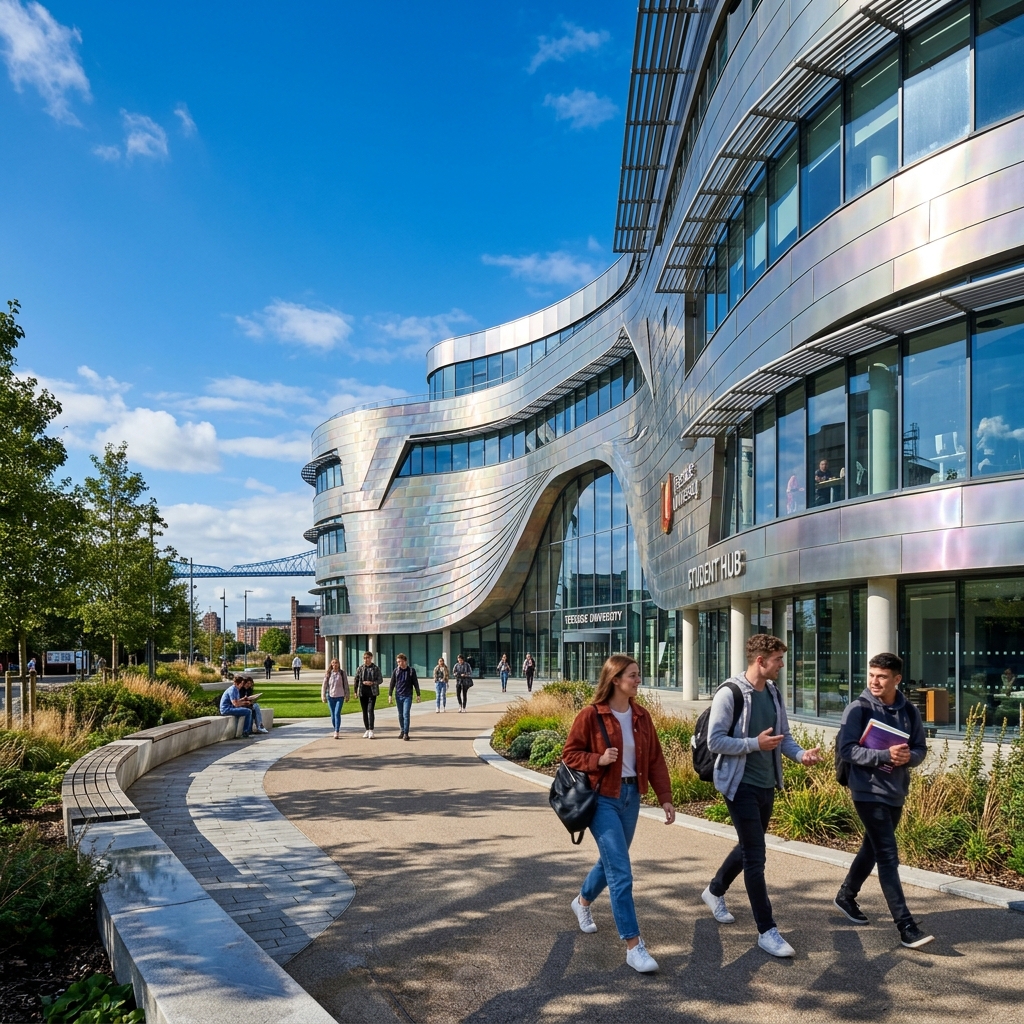
Sports therapy and rehabilitation sits at the intersection of sport science, anatomy, and clinical practice. It focuses on assessing, treating and managing musculoskeletal injuries, with a particular emphasis on the active population, from amateur club athletes to elite performers. The discipline draws on evidence-based approaches to help people recover from injury, return to activity safely, and reduce the risk of further harm. At Teesside University you will study clinical, functional and surface anatomy from the outset, building a detailed understanding of the musculoskeletal system and how it underpins everything from a footballer's sprint to a swimmer's stroke. You will explore human movement and the biomechanical principles that explain how forces act on joints, muscles and connective tissue. Alongside anatomical study, you will develop hands-on skills in assessment, soft tissue therapy and rehabilitation planning, learning to observe movement patterns, identify dysfunction and design progressive exercise programmes. The programme combines classroom learning with practical sessions that prepare you for clinical settings, and at 120 typical tariff points it is accessible to students from a range of backgrounds. The full-time, three-year structure allows you to move steadily from foundational science to applied clinical competency. Graduates of sports therapy and rehabilitation work across a broad range of settings. Many enter employment directly in sport, supporting professional clubs, national governing bodies, leisure centres and private clinics. Others work in corporate wellness, occupational health, or alongside physiotherapy and strength-and-conditioning teams in multi-disciplinary environments. The qualification is closely aligned with professional bodies such as the Society of Sports Therapists, and further study at postgraduate level opens routes into physiotherapy conversion programmes, sports medicine, or clinical research. Whatever direction you take, the skills you develop here, in anatomy, movement analysis and rehabilitation, form the core of a genuinely varied and rewarding career.
Syllabus & Modules
Typical curriculumStudent Satisfaction
National Student Survey - 25 respondents (82% response rate)
Similarly Ranked Alternatives
What comes next? 🎓
Choosing the right university starts with choosing the right school. Explore transparent, data-driven school profiles powered by official DfE statistics.
Explore Schools on WhatSchool.ai →