BSc Sports Therapy
About this course
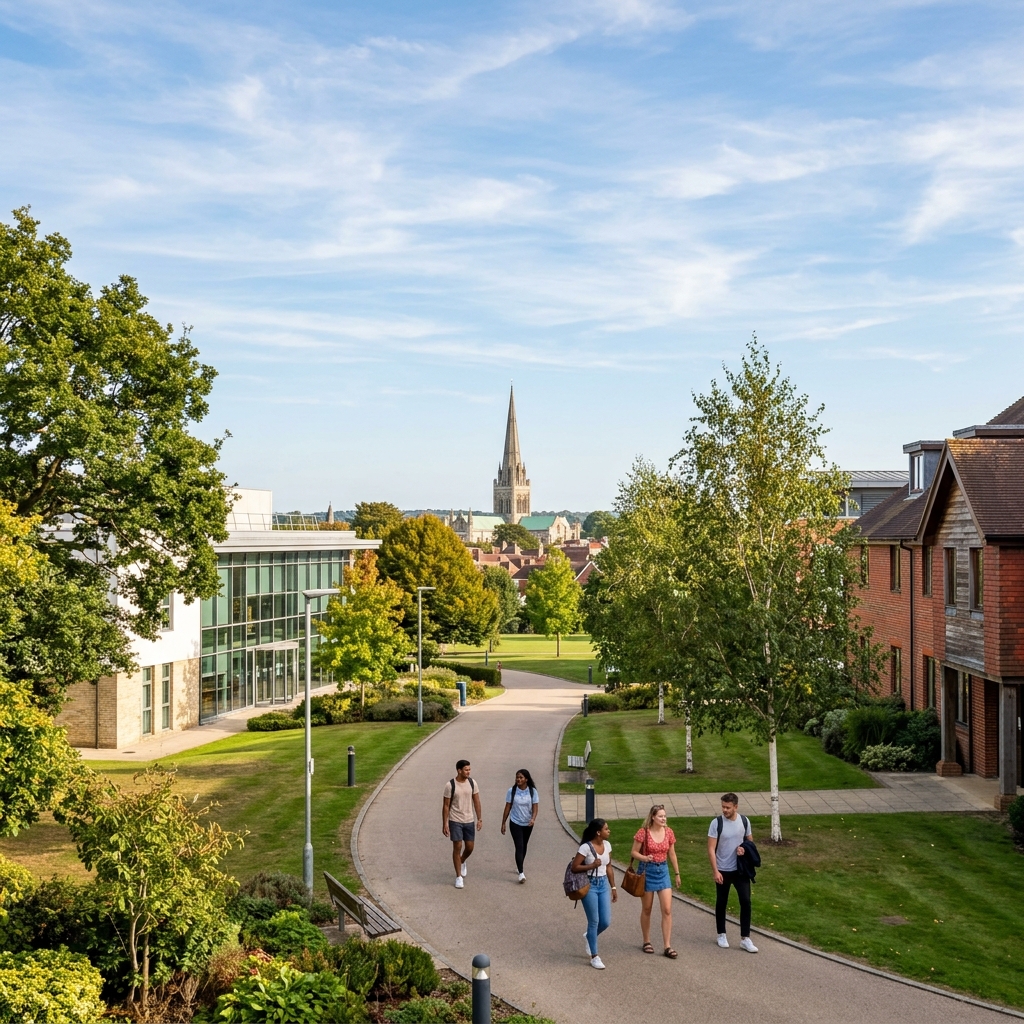
Sports therapy is a clinical allied health profession concerned with the prevention, assessment, and rehabilitation of musculoskeletal injuries, primarily but not exclusively in the context of sport and physical activity. Sports therapists work with athletes and active people to keep them performing and to help them recover when injuries occur, combining knowledge of anatomy, physiology, and biomechanics with practical skills in manual therapy, exercise prescription, and rehabilitation programme design. The profession requires both scientific rigour and the hands-on clinical competence that can only be developed through supervised practice. At the University of Chichester, this programme includes a foundation year, giving you a three-year route into the subject that begins with foundational preparation in the sciences and study skills before progressing to degree-level content. Chichester is a university with a strong reputation in sport and exercise sciences, with facilities that support both academic and practical learning, and the sports therapy programme is designed to produce graduates who are ready to enter clinical practice. The foundation year makes the degree accessible to students whose prior qualifications in science subjects may not meet standard entry requirements for a health science programme. Across the programme you will study functional anatomy, sports physiology, biomechanics, injury assessment, manual therapy techniques, exercise prescription, and rehabilitation, alongside the professional and ethical frameworks that govern clinical practice. You will develop practical clinical skills in supervised settings, which is essential preparation for professional work. Graduates of sports therapy programmes typically seek registration with the Society of Sports Therapists, which is the professional body for the field in the UK. Career paths include working with sports teams and clubs, in private practice, within gyms and leisure facilities, in NHS and private physiotherapy clinics, and in strength and conditioning environments. Further study, including postgraduate qualifications in physiotherapy or related health sciences, is an option for those who wish to develop their clinical expertise further.
Syllabus & Modules
Typical curriculumStudent Satisfaction
National Student Survey - 10 respondents (71% response rate)
Similarly Ranked Alternatives
What comes next? 🎓
Choosing the right university starts with choosing the right school. Explore transparent, data-driven school profiles powered by official DfE statistics.
Explore Schools on WhatSchool.ai →