High Drop-out Rate Alert
25% of students drop out or transfer from this specific course. Consider asking why on an open day.
BSc Sports Therapy and Rehabilitation
About this course
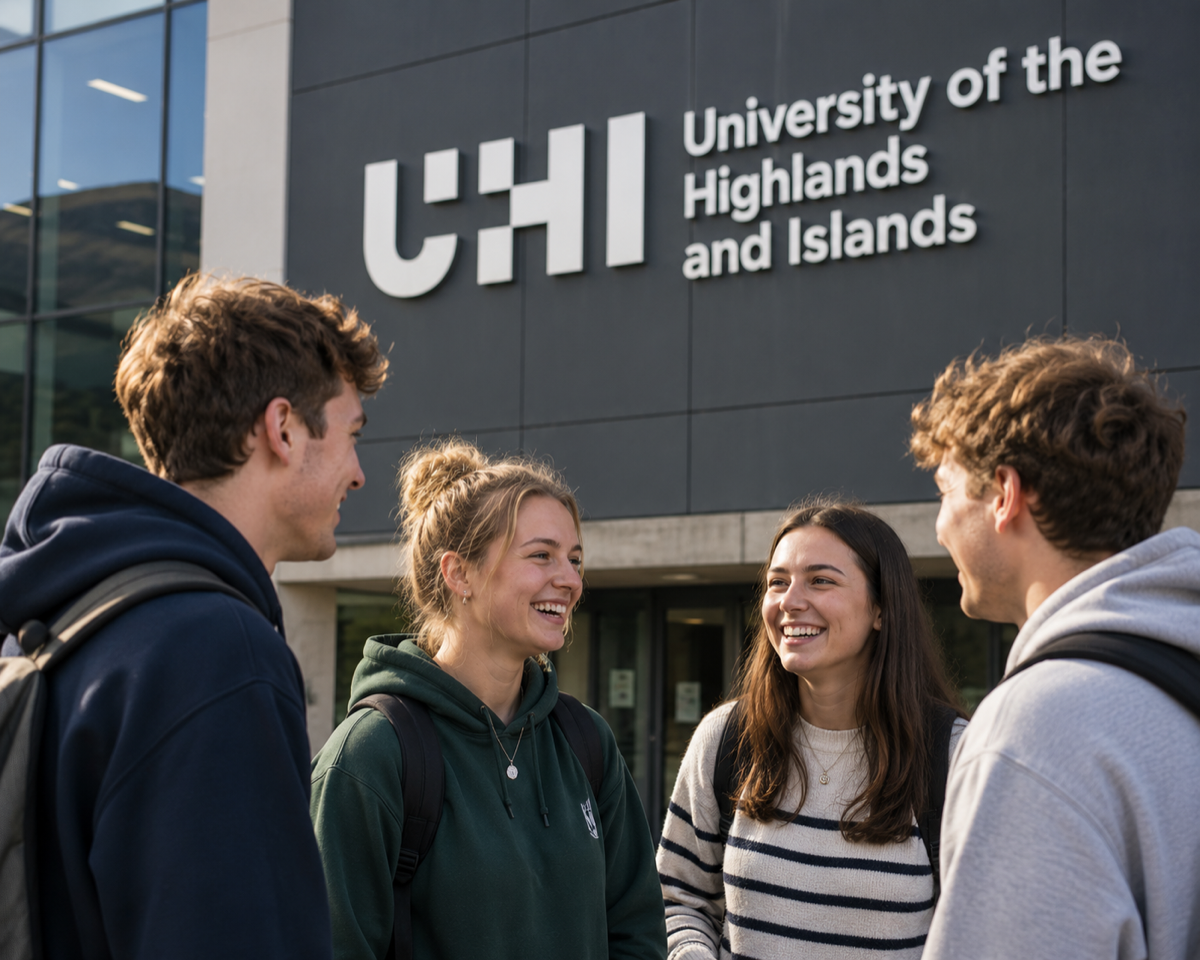
Sports therapy and rehabilitation is a clinical discipline concerned with the prevention, assessment, treatment, and rehabilitation of musculoskeletal injuries in sport and physical activity. It draws on anatomy, physiology, biomechanics, and clinical assessment methods to diagnose and address the injuries that occur in sport, from acute trauma through to overuse conditions and post-operative recovery. Sports therapists work with athletes at all levels, from recreational participants to elite professionals, and their role increasingly extends beyond sport into the broader management of movement and musculoskeletal function. At the University of the Highlands and Islands, this four-year degree develops your understanding of the science underpinning human movement and injury, alongside the clinical skills needed to assess and treat musculoskeletal conditions in sporting and physical activity contexts. You will study anatomy, exercise physiology, sports injury management, rehabilitation principles, and the evidence base that supports clinical decision-making in sports therapy. Practical skills are central to the programme, developing your ability to perform clinical assessment, apply a range of therapeutic and rehabilitation interventions, and develop individualised treatment plans. The programme structure at UHI combines the resources of its network of colleges and research centres across the Highlands and Islands, providing a distinctive learning environment for a degree with strong links to active and outdoor communities in the region. Graduates of sports therapy and rehabilitation degrees work with sports clubs, national governing bodies, fitness facilities, rehabilitation clinics, and healthcare providers. Many go on to work in elite sport environments, providing pitch-side and clinic-based support to professional and amateur athletes. The degree also provides a foundation for postgraduate study in physiotherapy, sports medicine, or strength and conditioning, and for broader roles in clinical rehabilitation, health promotion, and physical activity development.
Syllabus & Modules
Typical curriculumStudent Satisfaction
National Student Survey - 30 respondents (74% response rate)
Similarly Ranked Alternatives

What comes next? 🎓
Choosing the right university starts with choosing the right school. Explore transparent, data-driven school profiles powered by official DfE statistics.
Explore Schools on WhatSchool.ai →